


Table of Contents

Ductwork repair issues can make your home feel uncomfortable and waste your money. When your ducts have problems, your heating and cooling system has to work harder.
This means higher energy bills for you. The most common ductwork repair issues include leaky ducts, poor insulation, damaged sections, improper sizing, blockages, disconnected ducts, and mold growth. Fixing these problems can make your home more comfortable and save you money each month.
Let’s look at these common ductwork problems in more detail. We’ll also share how to spot them and what you can do to fix them.
1. Leaky Ducts: The Silent Energy Thief
Leaky ducts are one of the biggest ductwork repair issues homeowners face. These sneaky leaks can waste up to 30% of your heated or cooled air! That’s like throwing money right out the window.
How to Spot Leaky Ducts
You might have leaky ducts if:
- Some rooms feel too hot or too cold
- Your energy bills are higher than normal
- You notice more dust in your home
- You hear whistling sounds from your ductwork
Why Leaks Happen
Duct leaks usually happen at the connections between duct sections. Over time, the tape or sealant used during installation can dry out and crack. Sometimes, the ducts weren’t sealed properly in the first place. Pests like mice can also chew holes in flexible ducts.
Fixing Leaky Ducts
The good news is that fixing leaky ducts can make a big difference. Professional duct sealing uses special tools to find and seal leaks. They might use:
- Mastic sealant (a special paste)
- Metal-backed tape (not regular duct tape)
- Aerosol sealants that coat the inside of ducts
While some homeowners try DIY duct sealing, it’s hard to reach all the leaks yourself. A professional can access more of your duct system and do a more complete job.

2. Poor Insulation: The Comfort Killer
Even if your ducts don’t leak, they can still waste energy if they’re not insulated properly. This is especially true for ducts that run through unconditioned spaces like attics, crawl spaces, or garages.
Signs of Poor Duct Insulation
You might have poorly insulated ducts if:
- Your home takes a long time to heat up or cool down
- You feel temperature differences between rooms
- Your energy bills are high
- Ducts in your attic or crawl space feel warm in summer or cold in winter
Why Insulation Matters
When ducts run through unconditioned spaces, they can lose a lot of heat in winter or gain heat in summer. This means your system has to work harder to keep your home comfortable. Good insulation creates a barrier that keeps the air at the right temperature until it reaches your rooms.
Fixing Insulation Problems
Adding insulation to your ducts is a great way to improve efficiency. Professionals typically use:
- Fiberglass duct wrap with a foil backing
- Foam board insulation
- Reflective insulation for hot attics
The R-value (which measures how well insulation works) should be at least R-6 for ducts in unconditioned spaces. In very hot or cold climates, R-8 or higher is better.
3. Damaged Ductwork: Dents, Tears, and Crushes
Physical damage to your ducts can cause big problems with your heating and cooling system. This is one of the most visible ductwork repair issues.
Types of Duct Damage
Ducts can be damaged in several ways:
- Crushed ducts: When something heavy is placed on flexible ducts
- Torn flexible ducts: From sharp objects or pests
- Dented metal ducts: From impacts during home repairs
- Rusted metal ducts: From moisture exposure over time
Effects of Damaged Ducts
Damaged ducts restrict airflow, making your system work harder. This means:
- Less comfort in your home
- Higher energy bills
- More wear and tear on your HVAC system
- Potential for complete system failure
Repairing Damaged Ducts
The repair method depends on the type of damage:
- For crushed flexible ducts: Usually needs replacement of the damaged section
- For small tears: Can sometimes be patched with specialized tape
- For dented metal ducts: May need reshaping or replacement
- For rusted sections: Always need replacement to prevent further deterioration
It’s important to address damage quickly before it gets worse or affects other parts of your system.
4. Improper Duct Sizing: When One Size Doesn’t Fit All
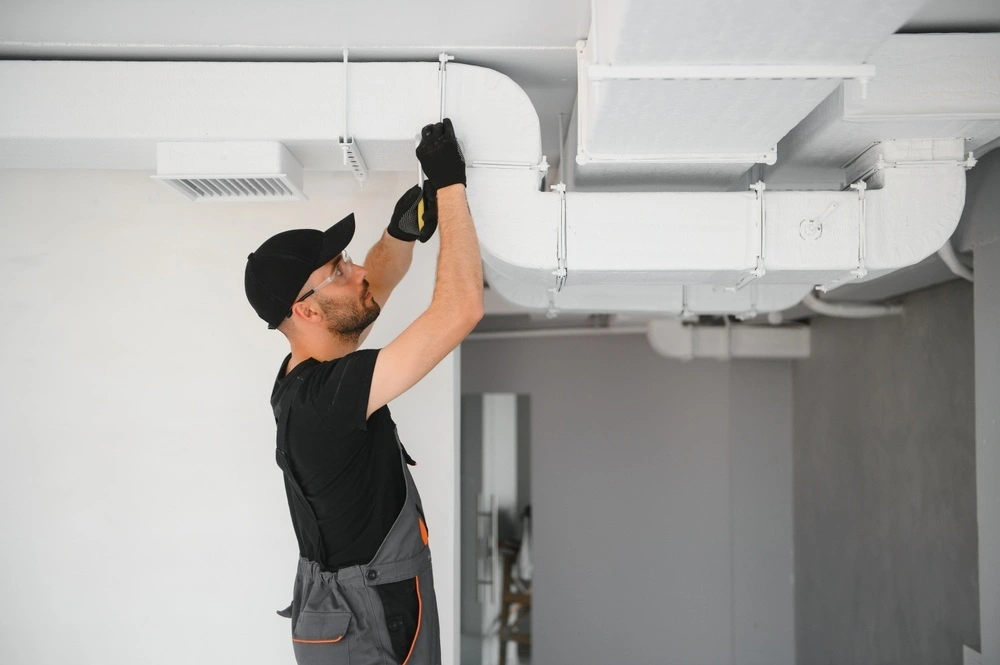
Many homes have ducts that are the wrong size for their HVAC systems. This is one of the trickiest ductwork repair issues because it often happens during installation.
Signs of Improper Duct Sizing
You might have improperly sized ducts if:
- Your system turns on and off frequently (short cycling)
- Some rooms never seem comfortable
- You hear loud rushing noises when your system runs
- Your energy bills are unusually high
Why Proper Sizing Matters
Ducts that are too small create high pressure, forcing your system to work harder. This is like trying to blow through a coffee straw instead of a regular straw. Ducts that are too large reduce air velocity, which can affect comfort and efficiency.
Fixing Sizing Issues
Fixing improperly sized ducts usually requires a professional assessment. The solution might include:
- Adding return ducts to balance the system
- Replacing undersized sections with larger ducts
- Installing dampers to control airflow better
- In severe cases, redesigning the duct system
A proper duct design should be based on industry standards like those from the Air Conditioning Contractors of America (ACCA). A good contractor will perform load calculations to determine the right duct sizes for your home.
5. Duct Blockages: When Air Can’t Flow
Blockages in your ductwork can seriously reduce your system’s efficiency. These obstructions stop air from flowing freely through your home.
Common Causes of Blockages
Duct blockages can happen for many reasons:
- Buildup of dust and debris over time
- Objects accidentally dropped into vents
- Pest nests (birds, rodents, or insects)
- Collapsed internal duct liners
- Furniture or rugs covering vents
Signs You Have a Blockage
You might have a duct blockage if:
- Little or no air comes from some vents
- You hear unusual noises in your ductwork
- Some rooms are much harder to heat or cool
- Your system seems to run longer than normal
Clearing Blockages
Depending on the blockage type and location, solutions include:
- Professional duct cleaning to remove built-up debris
- Removing and replacing sections with severe blockages
- Installing access panels to make future cleaning easier
- Adding vent filters to prevent debris from entering
Regular maintenance can help prevent blockages from forming in the first place. Changing your air filters regularly is one of the easiest ways to reduce dust in your system.
6. Disconnected Ducts: The Broken Link
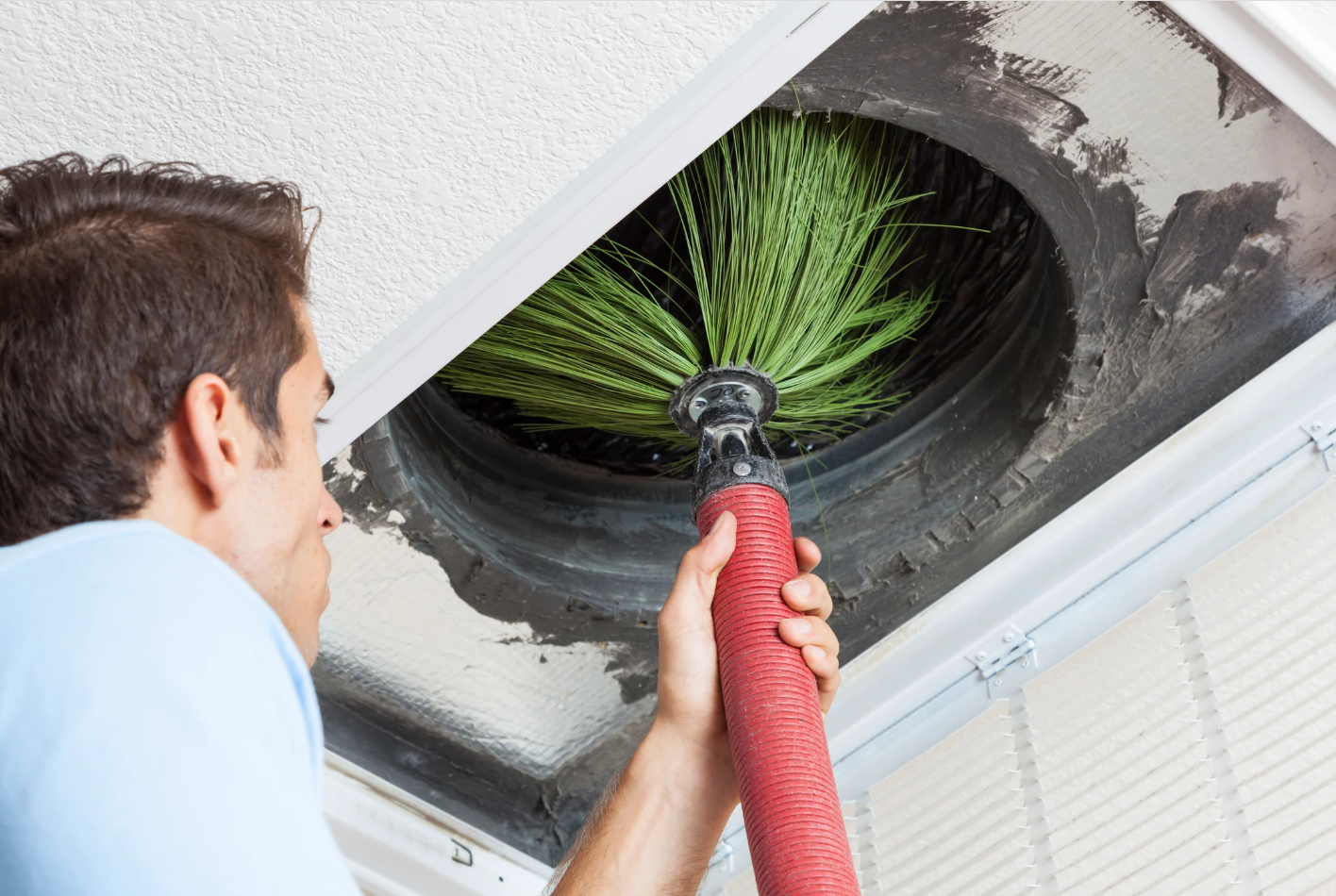
Disconnected ducts are a common but serious ductwork repair issue. When ducts separate at their connection points, air leaks out before reaching your living spaces.
Why Ducts Disconnect
Ducts can become disconnected for several reasons:
- Poor installation with inadequate fasteners
- Age and deterioration of connecting materials
- Physical impact during home repairs or renovations
- Thermal expansion and contraction over time
- Excessive pressure in the system
Spotting Disconnected Ducts
Signs that you might have disconnected ducts include:
- Visible gaps at duct connections in accessible areas
- Sudden drops in system performance
- Unusually high energy bills
- Rooms that suddenly become harder to heat or cool
Reconnecting Your Ducts
Fixing disconnected ducts usually involves:
- Realigning the separated sections
- Securing connections with sheet metal screws
- Sealing joints with mastic or metal-backed tape
- Adding support straps to prevent future separation
For ducts in hard-to-reach areas, professionals may need to create access points or use specialized tools to make repairs.
7. Mold and Moisture Issues: The Health Hazard
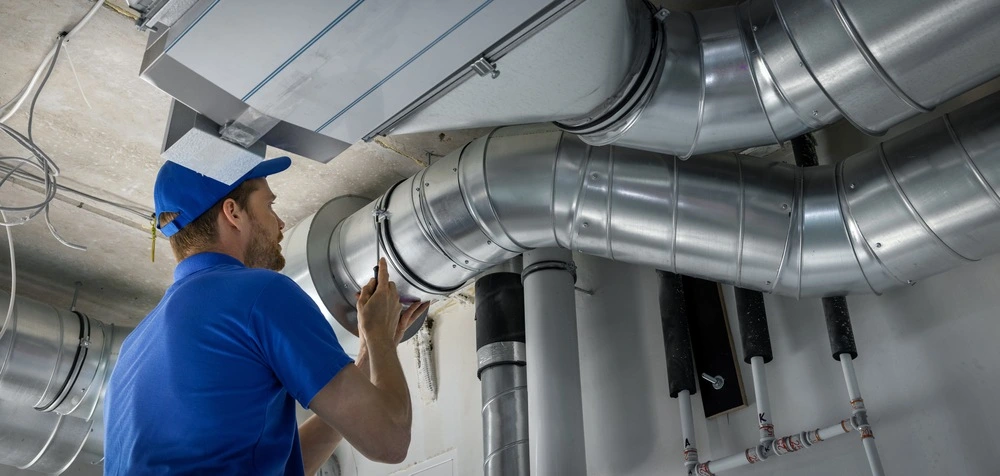
Mold in your ductwork is more than just an efficiency problem—it’s a health concern. This is one of the most serious ductwork repair issues that needs immediate attention.
Why Mold Grows in Ducts
Mold needs three things to grow: moisture, food (dust), and the right temperature. In ducts, this can happen due to:
- Condensation from poor insulation
- Water leaks near ductwork
- High humidity in your home
- Flooding or water damage events
Signs of Mold in Your Ductwork
You might have mold in your ducts if:
- You notice a musty smell when the system runs
- Family members experience increased allergy symptoms
- You can see visible mold around vents or registers
- There’s excessive humidity in your home
Addressing Mold Problems
Dealing with mold in ductwork requires a comprehensive approach:
- Professional duct cleaning with antimicrobial treatments
- Fixing the moisture source (leaks, condensation, etc.)
- Replacing duct sections with severe mold growth
- Installing a whole-home dehumidifier if needed
- Using UV light systems to prevent future growth
Never ignore mold in your ductwork, as it can spread spores throughout your home and cause health problems, especially for people with allergies or respiratory conditions.
Frequently Asked Questions About Ductwork Repair Issues
How often should I have my ducts inspected?
You should have your ducts inspected every 3-5 years under normal conditions. If you’ve had water damage, pest problems, or notice performance issues, schedule an inspection sooner. Regular inspections can catch ductwork repair issues before they become major problems.
How much does duct sealing cost?
Professional duct sealing typically costs between $500 and $2,000 depending on your home’s size and the duct system’s complexity. While this might seem expensive, the EPA estimates that sealed ducts can save up to $120-$150 annually on energy bills, giving you a good return on investment.
Can I clean my ducts myself?
While you can clean your vent covers and the first few inches of ductwork, proper duct cleaning requires specialized equipment. DIY cleaning might actually make things worse by stirring up debris without removing it. Professional duct cleaners use powerful vacuums and brushes that reach deep into your system.
How long do ducts typically last?
With proper maintenance, metal ductwork can last 20-25 years, while flexible ducts typically last 10-15 years. Factors that affect lifespan include installation quality, local climate, maintenance frequency, and material quality. Even well-maintained ducts will eventually need replacement.
Will fixing my ducts really save money?
Yes! The Department of Energy estimates that fixing ductwork repair issues can improve system efficiency by 20% or more. For a typical home spending $1,500 annually on heating and cooling, that’s a savings of $300 or more each year. Plus, your home will feel more comfortable with fewer hot and cold spots.
When to Call a Professional for Ductwork Repair Issues
While some minor ductwork repair issues might tempt you to try DIY fixes, most duct problems require professional attention. Experts have the tools, knowledge, and experience to properly diagnose and fix ductwork problems.
You should call a professional when:
- You notice significant changes in your system’s performance
- Your energy bills have increased without explanation
- You can hear unusual noises coming from your ductwork
- Some rooms are much harder to heat or cool than others
- You suspect mold or see evidence of pests in your system
- It’s been more than 5 years since your last duct inspection
Turn to HVAC Experts for Quality Ductwork
Remember that fixing ductwork repair issues isn’t just about comfort—it’s about saving money, extending your HVAC system’s life, and maintaining good indoor air quality for your family.
Don’t let ductwork repair issues make your home uncomfortable or waste your money. Borts HVAC specializes in finding and fixing all types of duct problems. Our expert technicians can inspect your system, identify issues, and recommend the most cost-effective solutions. Call us today to schedule your ductwork inspection and start enjoying a more comfortable, efficient home!
