


Common Heat Pump Thermostat Problems and How to Fix Them
Heat pump thermostat problems can make your home uncomfortable and increase your energy bills. The most common issues include incorrect temperature readings, blank displays, rapid cycling, and communication failures between the thermostat and heat pump. These problems are usually caused by improper settings, wiring issues, power problems, or sensor malfunctions. Most heat pump thermostat problems can be fixed by checking power sources, recalibrating sensors, correcting settings, or replacing batteries. For more complex issues, professional HVAC help may be needed.
Let’s explore the most common heat pump thermostat problems and their solutions to help you troubleshoot your system effectively.
Understanding How Heat Pump Thermostats Work
Before diving into specific problems, it helps to understand how heat pump thermostats work. A heat pump thermostat is the control center for your heating and cooling system. It tells your heat pump when to turn on and off.
Unlike regular thermostats, heat pump thermostats have special features. They control both heating and cooling modes. They also manage auxiliary heat for when it gets very cold outside.
Heat pump thermostats use sensors to measure room temperature. Then they compare this reading to your set temperature. When there’s a difference, they signal your heat pump to start working.
Modern heat pump thermostats are often programmable or smart. They can learn your schedule and adjust temperatures automatically. This helps save energy and keeps your home comfortable.
Understanding these basics will help you identify when something isn’t working right with your thermostat.
Most Common Heat Pump Thermostat Problems
Blank or Unresponsive Display
A blank thermostat screen is scary but often easy to fix. The most common cause is dead batteries. If your thermostat uses batteries, try replacing them first.
Power issues can also cause blank displays. Check if the circuit breaker for your HVAC system has tripped. Sometimes, loose wiring connections behind the thermostat cause display problems too.
Some thermostats have a power-saving mode that dims or turns off the display. Try touching the screen or pressing a button to wake it up.
Incorrect Temperature Readings
Does your thermostat say one temperature but your home feels different? This is a common problem. Your thermostat might need calibration if it’s reading temperatures incorrectly.
Thermostat location matters too. If it’s in direct sunlight or near a heat source, it will get false readings. The same happens if it’s in a draft or unusually cold spot.
Dust inside the thermostat can also affect temperature sensors. Gently cleaning the inside of your thermostat might help fix this issue.
Heat Pump Short Cycling
Short cycling means your heat pump turns on and off too frequently. This wastes energy and can damage your system over time.
Thermostat problems that cause short cycling include:
- Incorrect anticipator settings
- Poor thermostat placement
- Loose wiring connections
- Faulty temperature sensors
Short cycling can also happen if your thermostat is set too close to the current room temperature. Try adjusting your temperature setting by a few degrees to see if this helps.
Heat Pump Not Responding to Thermostat
Sometimes your thermostat seems fine, but your heat pump doesn’t respond to commands. This communication breakdown has several possible causes.
Wiring problems are a common culprit. Loose or damaged wires between the thermostat and heat pump can break the connection.
Another possibility is that your thermostat and heat pump aren’t compatible. This sometimes happens after replacing either component without checking compatibility.
The thermostat’s internal relay might also be faulty. This is the part that sends signals to your heat pump. If it’s broken, your heat pump won’t get the message to turn on or off.
Auxiliary Heat Running Too Much
Heat pumps have backup heating called “auxiliary heat” or “emergency heat.” It should only run when it’s very cold outside or during defrost cycles.
If your auxiliary heat runs too much, your thermostat might have incorrect settings. Check that the temperature differential isn’t set too low.
Some thermostats have a setting called “temperature swing” or “cycle rate.” If this is set too narrow, it can cause auxiliary heat to run unnecessarily.
Sensor problems can also trigger auxiliary heat. If your thermostat thinks it’s colder than it really is, it might activate backup heating when it’s not needed.
Troubleshooting Heat Pump Thermostat Issues
Basic Checks Before Calling a Professional
Before calling for help, try these simple fixes:
First, check your thermostat’s power source. Replace batteries if needed. For hardwired thermostats, check your circuit breaker.
Next, make sure your thermostat is set to the right mode. It should be on “Heat” in winter and “Cool” in summer. The fan setting should typically be on “Auto.”
Check your temperature settings. Make sure they’re appropriate for the season. In heating mode, set the temperature higher than the current room temperature.
Look at your air filter too. A clogged filter can make your heat pump work harder and affect how your thermostat controls the system.
How to Reset Your Heat Pump Thermostat
Resetting your thermostat can fix many minor glitches. The reset process varies by model, but here are general steps:
For battery-powered thermostats, remove the batteries for 30 seconds, then reinstall them. This often clears minor software issues.
Many digital thermostats have a reset button. It might be small and require a paperclip to press. Check your user manual for its location.
Some thermostats need a specific button combination to reset. Common methods include holding the main button for 5-10 seconds or pressing multiple buttons simultaneously.
After resetting, you’ll need to reprogram your settings. Have your manual handy to guide you through this process.
Checking and Fixing Wiring Issues
Wiring problems cause many thermostat issues. Here’s how to check for them:
First, turn off power to your HVAC system at the circuit breaker. This is important for safety!
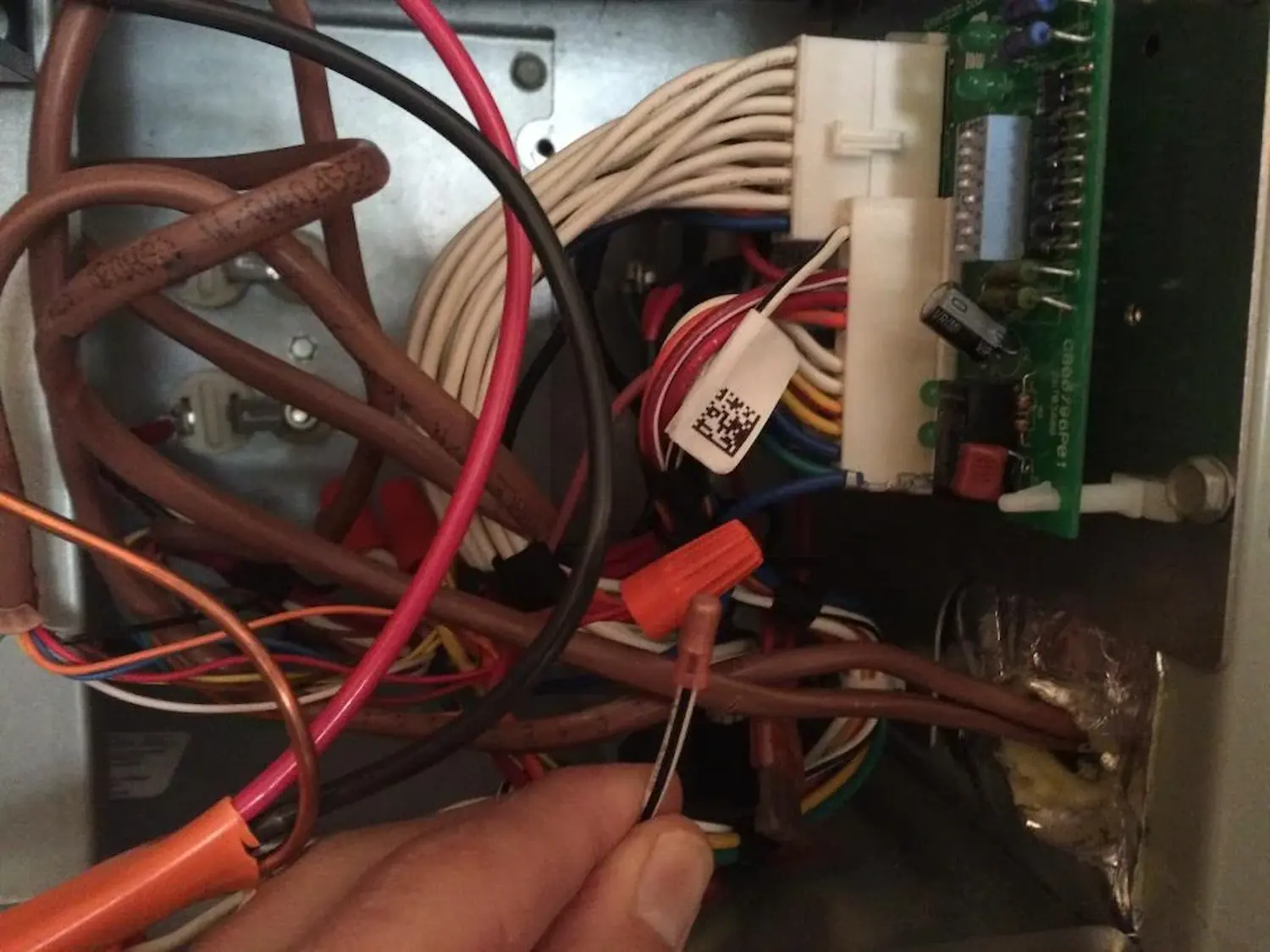
Remove your thermostat from its wall plate carefully. Look for any loose, disconnected, or corroded wires.
Make sure each wire is securely connected to the correct terminal. Wires are color-coded, but sometimes installers don’t follow standard colors. Take a picture before disconnecting anything.
Check for damaged wires or signs of pests. Mice sometimes chew on thermostat wires.
If you find loose connections, gently tighten them. Don’t overtighten as this can damage the terminals.
Calibrating Your Thermostat
If your thermostat reads temperatures incorrectly, it might need calibration. Here’s how:
Use a separate accurate thermometer to check the actual room temperature. Place it near your thermostat but not touching the wall.
Compare this reading with what your thermostat shows. If there’s more than a 1-degree difference, calibration might help.
Many digital thermostats have a calibration setting in their menu. Check your manual for instructions on accessing this feature.
For older mechanical thermostats, there’s usually a calibration screw. Turning it slightly adjusts the temperature reading.
After calibrating, wait 24 hours and check again. Sometimes it takes time for readings to stabilize.
When to Replace Your Heat Pump Thermostat
Signs Your Thermostat Needs Replacement
Sometimes fixing isn’t enough, and replacement is the better option. Watch for these signs:
Age is a big factor. If your thermostat is over 10 years old, newer models offer better features and efficiency.
Frequent malfunctions suggest internal components are failing. If you’re constantly troubleshooting the same issues, replacement might be more cost-effective.
Rising energy bills without explanation could mean your thermostat isn’t controlling your heat pump efficiently anymore.
Inconsistent temperature control throughout your home might indicate your thermostat can’t properly communicate with your heat pump.
If your heat pump has been upgraded but your thermostat hasn’t, they might not be fully compatible. This can cause various performance issues.
Choosing the Right Replacement Thermostat
When selecting a new thermostat, consider these factors:
Compatibility is crucial. Make sure the new thermostat works with your specific heat pump model and voltage requirements.
Think about features you need. Options include programmable schedules, humidity control, remote access, and smart home integration.
Consider your comfort with technology. Some advanced models have learning capabilities but require smartphone apps and internet connections.
Energy efficiency features can save money. Look for Energy Star certified models with features like adaptive recovery and geofencing.
Budget matters too. Basic programmable thermostats start around $25, while advanced smart models can cost $200-$300.
Professional vs. DIY Installation
Should you install your new thermostat yourself or hire a pro? Here’s what to consider:
DIY installation works for many basic thermostat replacements. If you’re replacing with the same model or a similar one, and you’re comfortable with simple wiring, you might be able to do it yourself.
Professional installation is safer and more reliable. HVAC technicians ensure proper wiring, calibration, and system testing.
Complex systems need professional help. If your heat pump has zoning, variable speeds, or communicating features, professional installation is strongly recommended.
Some manufacturers require professional installation to maintain warranty coverage. Check your heat pump’s warranty terms before deciding.
The cost of professional installation typically ranges from $75-$150, which might be worth the peace of mind.
Preventing Future Heat Pump Thermostat Problems
Regular Maintenance Tips
Prevent problems with these simple maintenance steps:
Clean your thermostat gently a few times a year. Use a soft brush or compressed air to remove dust from inside the cover.
Check batteries regularly if your model uses them. Some thermostats have low battery indicators, but it’s good to replace them yearly regardless.
Inspect wiring connections annually. Look for signs of wear, corrosion, or pest damage.
Test your thermostat seasonally by adjusting settings and confirming your heat pump responds correctly.
Keep the area around your thermostat clean and free from obstructions that might affect temperature readings.
Optimal Thermostat Settings for Heat Pumps
Using the right settings helps prevent problems and saves energy:
Avoid frequent temperature changes. Heat pumps work most efficiently with steady settings.
Use your thermostat’s programming features to automate seasonal changes. This prevents forgetting to adjust settings manually.
Set your fan to “Auto” rather than “On” most of the time. This reduces energy use and wear on your system.
The Benefits of Smart Thermostats for Heat Pumps
Upgrading to a smart thermostat offers several advantages:
Smart thermostats learn your schedule and preferences. They automatically adjust temperatures for comfort and savings.
Remote access lets you control your heat pump from anywhere using a smartphone app. This is great for unexpected schedule changes.
Many smart models provide energy usage reports. These help you understand and improve your heating and cooling habits.
Some smart thermostats detect maintenance needs early. They can alert you to potential problems before they become serious.
Integration with other smart home systems adds convenience. Your thermostat can work with voice assistants, security systems, and other devices.
Heat Pump Thermostat FAQ
Why does my heat pump run constantly?
Your heat pump might run constantly for several reasons. First, check if your thermostat is set to “Emergency Heat” or “Aux Heat” mode. These settings bypass normal operation and should only be used temporarily.
Extremely cold weather can also cause continuous running. Heat pumps work harder when outdoor temperatures drop below 30-35°F.
Incorrect thermostat settings might be the issue. If the temperature is set much higher than the current room temperature, your system will run longer.
A dirty air filter restricts airflow, making your heat pump work harder and run longer. Try replacing your filter if it looks dirty.
Thermostat location matters too. If it’s in a naturally cold spot, it might think the whole house needs more heating than it actually does.
Why won’t my heat pump switch from cooling to heating?
Several thermostat issues can prevent mode switching. First, make sure your thermostat is actually set to “Heat” mode, not “Cool” or “Auto.”
Some thermostats have a delay feature that prevents quick switching between heating and cooling. Wait 5-10 minutes after changing modes.
Check your owner’s manual for a “deadband” setting. This prevents heating and cooling from fighting each other, but if set too wide, it might delay mode changes.
Wiring problems can also prevent mode switching. The reversing valve wire (usually orange) might be disconnected or connected to the wrong terminal.
If none of these solutions work, your heat pump’s reversing valve might be stuck or faulty. This requires professional repair.
How do I know if my heat pump thermostat is bad?
Several signs indicate a failing thermostat. If your display is partially lit or showing strange characters, internal components might be failing.
Erratic temperature changes without anyone adjusting the thermostat suggest a problem. Your home shouldn’t suddenly get much warmer or cooler on its own.
If your heat pump ignores thermostat commands (doesn’t turn on when it should or doesn’t turn off), the thermostat might not be sending signals properly.
Constant clicking sounds from your thermostat indicate relay problems. The relay is what sends the electrical signal to your heat pump.
Battery replacement and resetting don’t fix persistent problems, your thermostat might need replacement.
Can a bad thermostat damage my heat pump?
Yes, a malfunctioning thermostat can potentially damage your heat pump. If it causes short cycling (turning on and off frequently), this stresses the compressor and can lead to premature failure.
A thermostat that doesn’t properly control defrost cycles can cause ice buildup on your outdoor unit. This reduces efficiency and can damage components.
If your thermostat incorrectly activates auxiliary heat too often, it wastes energy and puts unnecessary strain on your backup heating system.
Some thermostat failures might cause your heat pump to run continuously without stopping. This causes excessive wear and can overheat components.
Modern heat pumps have some built-in protections against thermostat failures, but these aren’t foolproof. Addressing thermostat problems promptly helps prevent system damage.
How much does it cost to replace a heat pump thermostat?
Replacement costs vary based on the thermostat type and installation complexity. Basic digital thermostats for heat pumps typically cost $50-$150 for the device itself.
Programmable models with more features range from $100-$250. These offer scheduling capabilities and more control options.
Smart thermostats designed for heat pumps usually cost $150-$350. These provide remote access, learning capabilities, and energy monitoring.
Professional installation adds $75-$150 to these costs. The total for a complete replacement typically ranges from $125-$500 depending on your choices.
Some utility companies offer rebates for upgrading to energy-efficient thermostats. Check with your local providers to see if you qualify for savings.
When to Call a Professional for Heat Pump Thermostat Problems
While many thermostat issues can be fixed yourself, some situations require professional help. Call an HVAC technician if you’ve tried basic troubleshooting without success.
Electrical problems beyond simple battery replacement need professional attention. This includes issues with your home’s wiring or the thermostat’s connection to your electrical system.
If your heat pump is running but not heating or cooling properly, the problem might be more complex than just the thermostat. A technician can perform a complete system diagnosis.
When installing a new thermostat, professional help ensures compatibility with your specific heat pump model. This is especially important for newer, more complex systems.
Regular professional maintenance can prevent thermostat problems before they start. Consider scheduling annual HVAC check-ups to keep your entire system running smoothly.
Don’t wait until you’re uncomfortable or your system stops working entirely. If you notice any unusual behavior from your thermostat or heat pump, contact Borts HVAC today to schedule an appointment. Our experienced technicians can quickly diagnose and fix your heat pump thermostat problems, ensuring your home stays comfortable year-round.
