


Table of Contents

Duct sealing energy savings can reduce your utility bills by 20% or more each month. When your home’s ductwork has leaks, cracks, or poor connections, up to 30% of the air moving through it escapes before reaching your rooms.
This means your heating and cooling system works harder and uses more energy. By properly sealing your ducts, you keep the air flowing where it should go. This simple fix helps your HVAC system run better and saves you money every month.
The Reality of Leaky Ducts
Many homeowners don’t realize how much money they’re losing through leaky ducts. The U.S. Department of Energy says that fixing these leaks is one of the most important energy-saving steps you can take. Sealed ducts not only cut your energy bills but also make your home more comfortable. You’ll notice fewer hot and cold spots and better overall air flow.
Let’s explore how duct sealing works and why it’s such a smart investment for your home and wallet.
Understanding How Duct Leaks Waste Energy and Money
Your home’s duct system is like a network of roads that carry heated or cooled air to each room. When these “roads” have holes or cracks, the air takes detours where it shouldn’t. This means your HVAC system has to work overtime to keep your home comfortable.
Think about it like this: if you were trying to fill a bucket with water, but the bucket had holes, you’d need to run the water longer to fill it up. Your HVAC system faces the same problem with leaky ducts. It runs longer and harder, using more electricity or gas, which shows up as higher utility bills.
Duct leaks typically happen in attics, crawlspaces, garages, and basements. These are places where ducts might be exposed and not properly insulated. When ducts leak in these unconditioned spaces, you’re paying to heat or cool areas you don’t even use!
The Surprising Benefits of Professional Duct Sealing
Lower Energy Bills
The most obvious benefit of duct sealing energy savings is the reduction in your monthly utility costs. Most homeowners see savings between 10-20% on their heating and cooling bills after proper duct sealing. For a typical home, this could mean hundreds of dollars saved each year.
These savings happen right away and continue month after month. Over the lifetime of your HVAC system, proper duct sealing can save thousands of dollars. It’s like getting a raise without having to work more hours!
Improved Indoor Air Quality
Leaky ducts don’t just waste energy; they can also hurt your health. When ducts have holes or gaps, they can pull in dust, pollen, mold spores, and other pollutants from attics, crawl spaces, and wall cavities. These contaminants then circulate throughout your home.
After duct sealing, many families notice less dust in their homes and fewer allergy symptoms. This is especially important for people with asthma, allergies, or other respiratory conditions. Cleaner air means healthier breathing for everyone in your home.

Enhanced Home Comfort
Have you ever noticed some rooms in your home are too hot while others are too cold? Leaky ducts are often the culprit. When air escapes before reaching its destination, it creates uneven temperatures throughout your house.
Properly sealed ducts deliver the right amount of air to each room. This means more consistent temperatures and better comfort throughout your home. No more bundling up in one room while sweating in another!
Extended HVAC System Life
When your ductwork leaks, your heating and cooling equipment has to work harder and longer to maintain comfortable temperatures. This extra strain causes more wear and tear, leading to more repairs and a shorter system life.
By sealing your ducts, you reduce the workload on your HVAC system. This means fewer breakdowns, fewer repair calls, and a longer life for your expensive equipment. Many HVAC professionals say that proper duct maintenance can add 3-5 years to your system’s lifespan.
DIY vs. Professional Duct Sealing: What You Need to Know
When DIY Duct Sealing Makes Sense
If you’re handy and have access to exposed ducts in your attic, basement, or crawlspace, you might consider tackling some basic duct sealing yourself. For visible ducts, you can use mastic sealant or metal-backed tape (not regular duct tape, which doesn’t last) to seal small leaks.
DIY duct sealing works best for obvious problems you can easily reach. Look for disconnected joints, visible holes, or gaps where ducts connect to vents. Sealing these visible problem areas can help improve efficiency.
However, keep in mind that DIY sealing typically only addresses a small portion of the total leakage in a home. Most duct systems have hidden leaks that require professional equipment to detect and fix.
Why Professional Duct Sealing Often Delivers Better Results
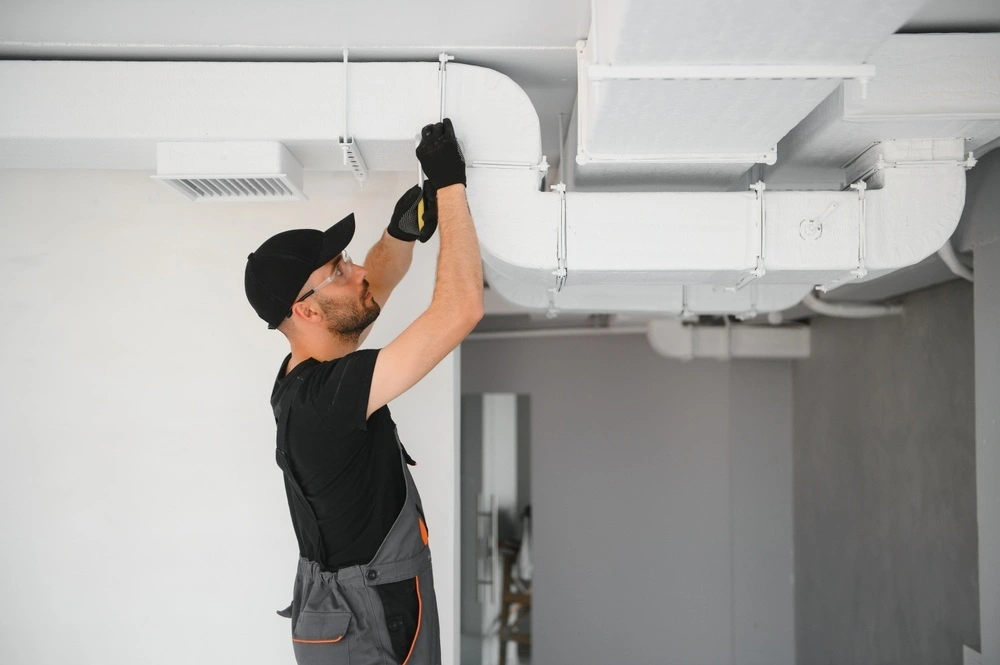
Professional duct sealing offers several advantages over DIY approaches. HVAC technicians have specialized tools like pressure testing equipment to measure exactly how much air your system is losing. They can find leaks hidden behind walls or in hard-to-reach places.
Professionals also use advanced sealing methods like aerosol-based sealing, which can reach leaks throughout the entire duct system, even in places you can’t access. This comprehensive approach typically delivers energy savings of 15-20%, compared to the 5-10% you might achieve with DIY efforts
Another benefit of professional service is a thorough inspection of your entire HVAC system. Technicians can spot other issues that might be affecting efficiency, such as improper duct design or insulation problems.
How to Tell If Your Home Needs Duct Sealing
Common Signs of Leaky Ductwork
Several warning signs indicate your home might benefit from duct sealing:
- High summer and winter utility bills compared to similar homes
- Rooms that are difficult to heat or cool
- Stuffy rooms that never seem comfortable
- Ducts located in an attic, crawlspace, or garage
- Tangled or kinked flexible ducts
- Visible dust near your supply registers
If you notice these issues, your duct system likely has leaks that are wasting energy and money. The older your home, the more likely it is to have significant duct leakage.
Simple Tests You Can Do Yourself
Here are a few easy ways to check for duct leaks:
- Look at exposed ducts for obvious holes, tears, or disconnected joints.
- Turn on your HVAC fan and hold a tissue near duct connections. If the tissue moves, you may have a leak.
- Check your energy bills during extreme weather months. If they seem unusually high, leaky ducts could be the reason.
- Feel around registers and grilles for air flow. If some rooms have weak air flow, duct leaks might be diverting air elsewhere.
While these simple tests can help identify obvious problems, a professional duct test is the most accurate way to measure leakage. HVAC technicians use a duct blaster test to pressurize your duct system and precisely measure how much air is escaping.
The Duct Sealing Process: What to Expect
Initial Assessment and Testing
When you hire professionals for duct sealing, they’ll start with a thorough inspection of your HVAC system. This includes checking all accessible ductwork for visible damage and performing a pressure test to measure air leakage.
The technician will attach a special fan to your duct system that pressurizes it. This test shows exactly how leaky your ducts are and helps identify problem areas. Good contractors will share these results with you and explain what they mean for your home’s efficiency.
Sealing Methods and Materials
Professional duct sealing typically uses one or more of these methods:
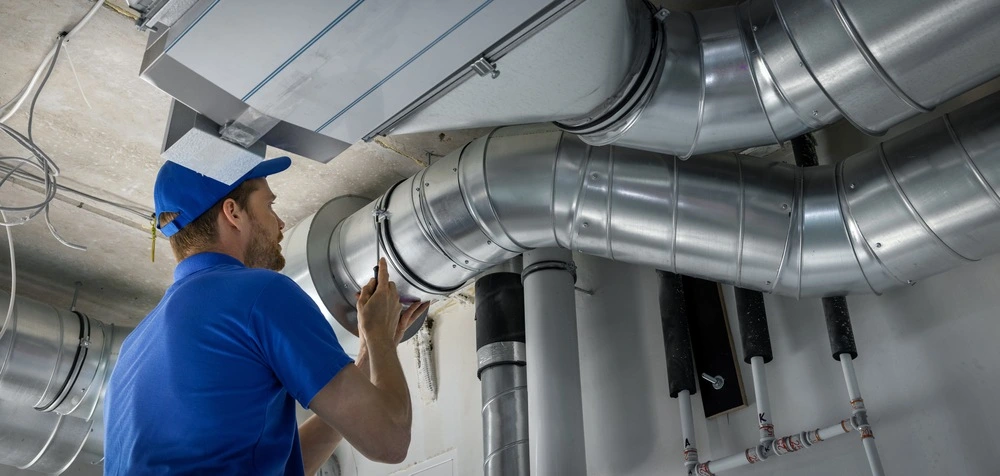
- Manual sealing with mastic sealant or metal-backed tape for accessible ducts
- Aerosol-based sealing that can reach leaks throughout the entire system
- Duct replacement for sections that are severely damaged
Quality contractors avoid using regular duct tape, which breaks down quickly. Instead, they use durable materials designed specifically for HVAC systems. They’ll also check for proper insulation around ducts in unconditioned spaces like attics and crawlspaces.
Post-Sealing Verification
After completing the sealing work, good technicians will conduct another pressure test. This confirms the leakage has been reduced to acceptable levels. They should provide before-and-after measurements so you can see the improvement.
The entire process typically takes 3-8 hours, depending on the size of your home and the condition of your duct system. While there might be some noise and minor disruption during the work, most families can remain at home during the process.
Maximizing Your Duct Sealing Energy Savings
Complementary Energy-Saving Measures
To get the most from your duct sealing investment, consider these additional steps:
- Add or upgrade attic and wall insulation to keep conditioned air inside your living space
- Install a programmable or smart thermostat to optimize HVAC operation
- Schedule regular HVAC maintenance to keep your system running efficiently
- Replace air filters monthly during heavy-use seasons
- Consider air sealing your home’s envelope (windows, doors, and other openings)
These measures work together with duct sealing to create a comprehensive energy efficiency strategy. Many utility companies offer rebates or incentives for these improvements, making them even more affordable.
Maintaining Your Sealed Duct System
Once your ducts are properly sealed, keep them performing well with these maintenance tips:
- Have your HVAC system professionally inspected annually
- Check visible ductwork occasionally for new damage
- Keep vents and registers clean and unblocked
- Monitor your energy bills for any unexpected increases
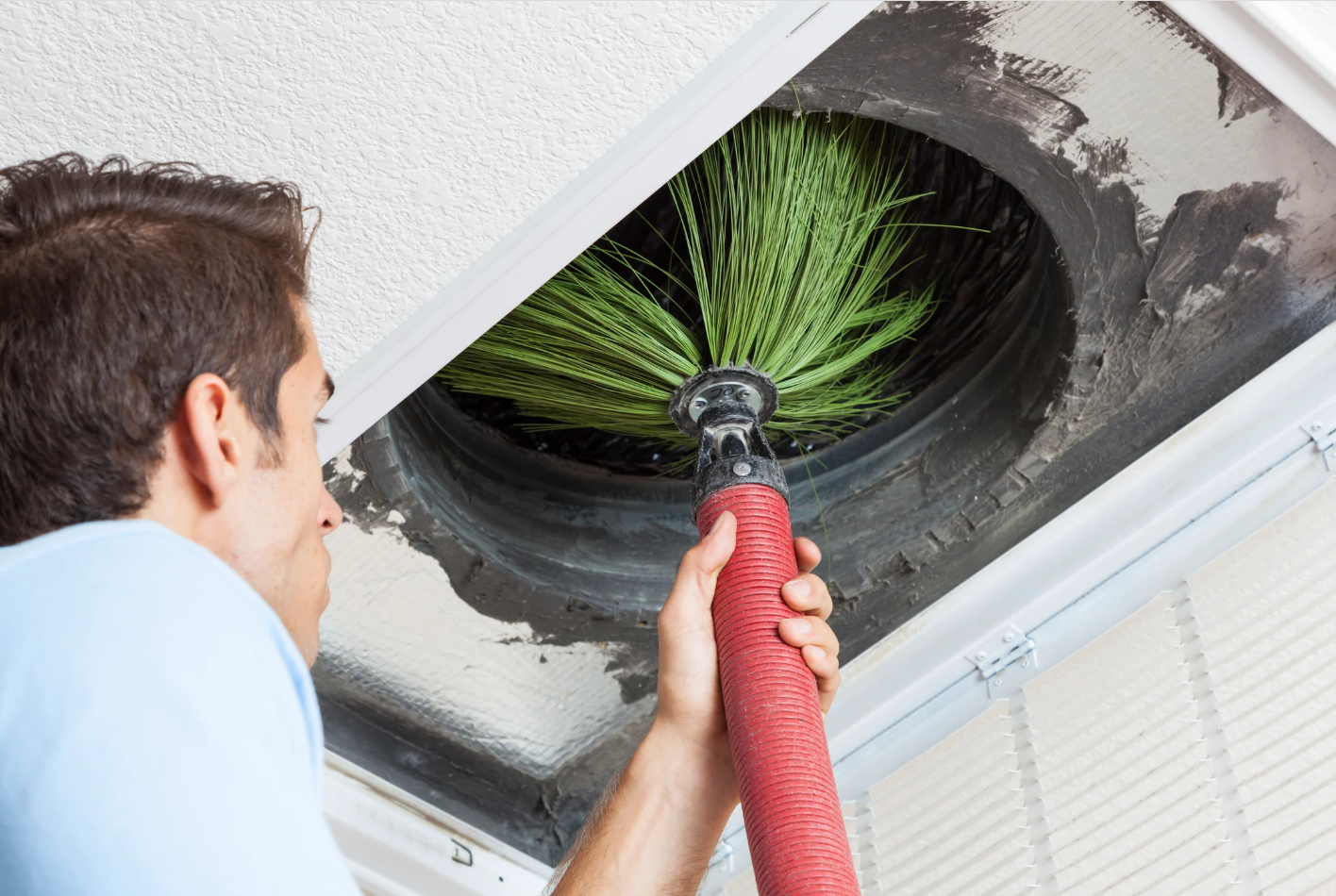
- Consider having your ducts professionally cleaned every 3-5 years
With proper maintenance, your sealed duct system should continue delivering energy savings for many years. If you renovate your home or make changes to your HVAC system, have your ducts checked again to ensure they remain properly sealed.
Frequently Asked Questions About Duct Sealing Energy Savings
How much money can I really save with duct sealing?
Most homeowners save 10-20% on their heating and cooling costs after professional duct sealing. For a typical home spending $2,000 annually on heating and cooling, that’s $200-$400 in savings each year. Your actual savings will depend on your climate, energy rates, and how leaky your ducts were to begin with.
How long does duct sealing last?
When done professionally with quality materials, duct sealing can last 10-20 years or more. Mastic sealant and metal-backed tape are very durable. However, if your home settles or you have work done that disturbs the ductwork, new leaks could form.
Will duct sealing help with my allergies?
Yes! Sealing leaky ducts prevents dust, pollen, and other allergens from being pulled into your duct system and distributed throughout your home. Many allergy sufferers notice significant improvement in their symptoms after duct sealing, especially when combined with regular filter changes.
Is duct sealing worth it for an older home I might sell soon?
Absolutely. Duct sealing offers immediate energy savings and improved comfort. These benefits can be selling points when you list your home. Energy-efficient homes often sell faster and for better prices than less efficient comparable properties. Plus, you’ll enjoy lower bills and better comfort while you still live there.
Can duct sealing reduce noise from my HVAC system?
Yes, sealed ducts often operate more quietly. When air escapes through leaks, it can create whistling or rushing sounds. Properly sealed ducts eliminate these noises. Additionally, because your system won’t need to run as long or work as hard, you may notice it cycles on and off less frequently.
Are there any rebates or incentives for duct sealing?
Many utility companies and government programs offer rebates or incentives for energy efficiency improvements, including duct sealing. Check with your local utility provider, as these programs can significantly reduce your out-of-pocket costs. Some areas offer rebates covering up to 50% of the cost of professional duct sealing.
Turn to HVAC Professionals for Dependable Duct Help
Don’t let leaky ducts continue draining your wallet and compromising your comfort. Duct sealing energy savings represent one of the best returns on investment for home improvement projects. With lower bills, better air quality, and improved comfort, it’s a smart choice for any homeowner.
Ready to start saving on your energy bills with professional duct sealing? Contact Borts HVAC today to schedule an inspection and learn how much you could save. Our experienced technicians will identify leaks, recommend the best sealing approach for your home, and help you breathe easier—both literally and financially. Book your appointment now and take the first step toward a more efficient, comfortable home!
