


Table of Contents
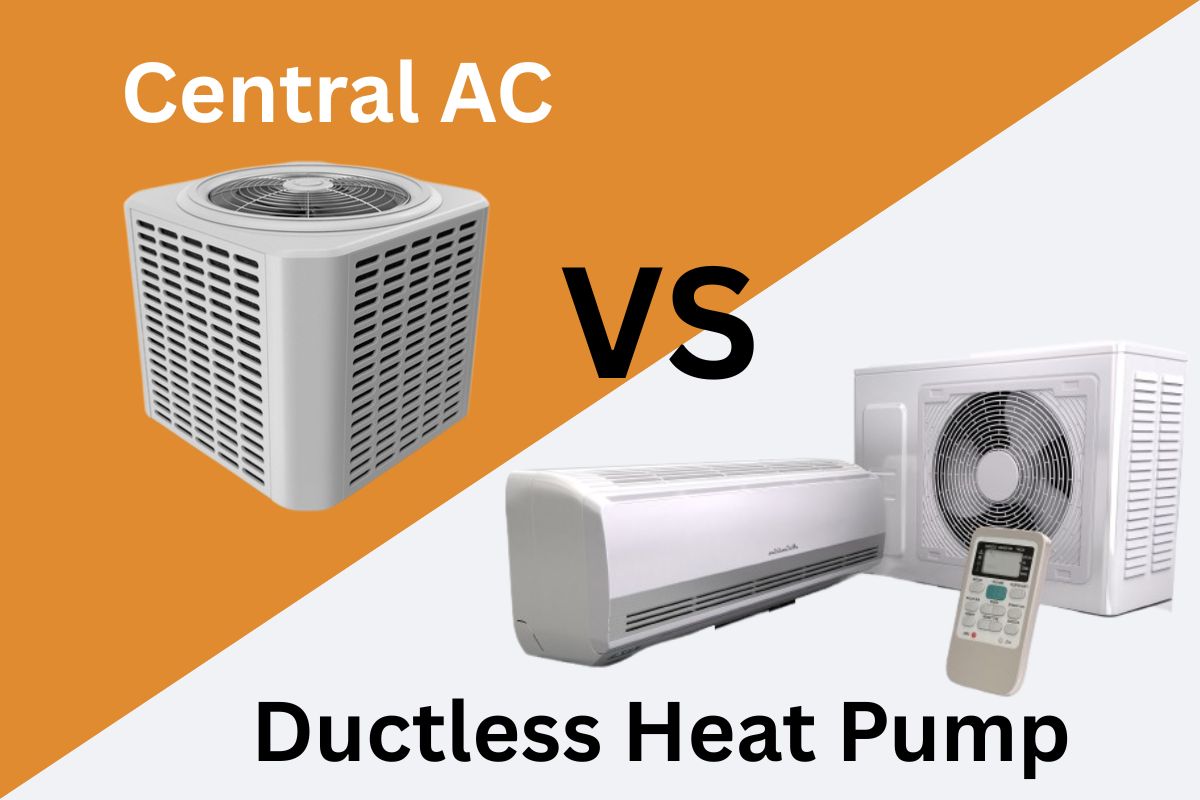
Ductless heat pumps and central heat pumps are both excellent options for heating and cooling your home, but they work in different ways. A ductless heat pump (also called a mini-split) doesn’t need air ducts and heats or cools specific rooms directly. A central heat pump connects to your home’s duct system to heat or cool your entire house at once. The best choice depends on your home’s size, your budget, and what kind of comfort control you want.
Both systems use the same basic heat pump technology to move heat instead of creating it. This makes them much more energy-efficient than traditional heating systems. But they differ in how they deliver that comfort to your home. Let’s explore these differences to help you decide which system might work better for your needs.
How Ductless Heat Pumps Work
Ductless heat pumps, also known as mini-splits, work without any ductwork. They have two main parts: an outdoor unit and one or more indoor units. The outdoor unit contains the compressor and condenser. The indoor units are mounted on walls or ceilings in the rooms you want to heat or cool.
These parts connect through a small hole in your wall with refrigerant lines, power cables, and a drain line. The system moves heat between the indoor and outdoor units. In winter, it pulls heat from outside air (even cold air has some heat!) and brings it inside. In summer, it does the opposite, pulling heat from your home and moving it outdoors.
Each indoor unit works independently, creating “zones” in your home. This means you can set different temperatures in different rooms. For example, you might keep your bedroom cooler while keeping your living room warmer.

Advantages of Ductless Heat Pumps
Ductless systems offer several benefits that make them popular for many homeowners:
- Zone Control: You can heat or cool only the rooms you’re using, saving energy and money.
- Easy Installation: Installing a ductless system is much simpler than adding ductwork. Typically, it only requires a small hole in the wall for the connecting lines.
- Energy Efficiency: Without duct losses, these systems can be 30% more efficient than central systems. Ducts in central systems can lose up to 30% of energy through leaks and poor insulation.
- Flexibility: You can add indoor units over time as your needs change or your budget allows.
- Space-Saving: The indoor units are compact and can be mounted high on walls, freeing up floor space.
Limitations of Ductless Heat Pumps
Despite their advantages, ductless systems aren’t perfect for every situation:
- Upfront Cost: The initial cost can be higher than some central systems, especially if you need multiple indoor units.
- Appearance: Some people don’t like the look of the indoor units on their walls.
- Maintenance: Each indoor unit has filters that need regular cleaning.
- Limited Reach: For very large homes, you might need many indoor units, which increases costs.
How Central Heat Pumps Work
Central heat pumps connect to your home’s duct system. Like ductless systems, they have an outdoor unit with a compressor and condenser. But instead of multiple indoor units, they have a single air handler usually located in a basement, attic, or dedicated closet.
The air handler connects to a network of ducts that run throughout your home. When the system runs, it pulls air from your home through return ducts, heats or cools it, and then pushes it back through supply ducts to all the rooms in your house.

Central heat pumps heat or cool your entire home at once. They use a thermostat (usually in a central location) to control the temperature throughout the house. Modern systems might offer zone control through dampers in the ductwork, but this adds complexity and cost.
Advantages of Central Heat Pumps
Central heat pumps have been the standard in many homes for good reasons:
- Whole-Home Comfort: They provide even heating and cooling throughout your entire house.
- Hidden Components: Most of the system is out of sight, with only vents visible in your rooms.
- Lower Initial Cost: If your home already has ductwork, installing a central heat pump can be less expensive than installing multiple ductless units.
- Air Filtration: Central systems can incorporate whole-home air purifiers and better filtration options.
- Familiar Technology: Many contractors are experienced with installing and servicing these systems.
Limitations of Central Heat Pumps
Central systems also have some drawbacks to consider:
- Ductwork Required: If your home doesn’t have ducts, installing them is expensive and disruptive.
- Energy Losses: Even well-sealed ducts lose some energy as air travels through them.
- All-or-Nothing Operation: Basic systems heat or cool the entire house, even unused rooms (though zoning can help with this).
- Space Requirements: The air handler and ductwork take up valuable space in your home.
- Maintenance Needs: Ducts need occasional cleaning, and the system requires regular professional maintenance.
Cost Comparison: Ductless vs Central Heat Pumps
Understanding the cost differences between these systems can help you make a budget-friendly decision.
Installation Costs
For ductless heat pumps, expect to pay:
- $3,000 to $5,000 for a single-zone system (one indoor unit)
- $10,000 to $15,000 for a multi-zone system (3-5 indoor units)
- Additional costs for electrical upgrades if needed
For central heat pumps, typical costs are:
- $5,000 to $10,000 if you already have ductwork
- $15,000 to $25,000 if you need to install new ductwork
- Additional costs for zoning systems if desired
Operating Costs
Ductless systems often have lower operating costs because:
- They avoid the 20-30% energy loss common in duct systems
- You can heat or cool only the rooms you’re using
- Many models have higher efficiency ratings (SEER and HSPF)
Central systems may cost more to operate because:
- They heat or cool the entire house
- Energy is lost through ductwork
- Basic models may have lower efficiency ratings
Maintenance Costs
Both systems need regular maintenance, but costs differ:
Ductless maintenance typically includes:
- Monthly filter cleaning (DIY)
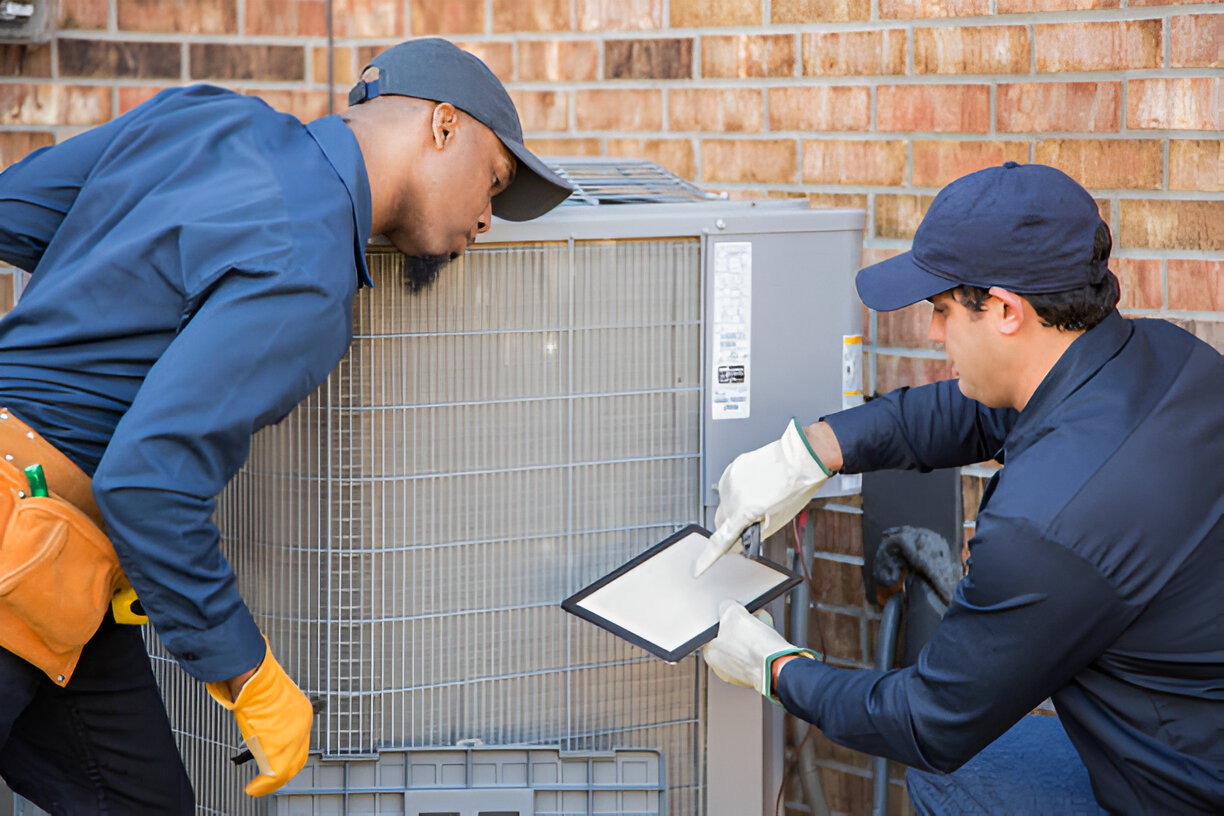
- Annual professional service ($150-$300)
- Separate service for each outdoor unit
Central system maintenance usually involves:
- Filter changes every 1-3 months (DIY)
- Annual professional service ($150-$300)
- Duct cleaning every 3-5 years ($300-$500)
Which System Is Right for Your Home?
Choosing between ductless and central heat pumps depends on several factors specific to your situation.
Choose a Ductless Heat Pump If:
- Your home doesn’t have existing ductwork – Ductless systems avoid the major expense and disruption of installing ducts.
- You’re adding heating/cooling to a new addition – It’s often easier to install a ductless unit than to extend your existing ductwork.
- You want room-by-room temperature control – Each indoor unit can be set to a different temperature.
- You have family members with different temperature preferences – Everyone can be comfortable in their own space.
- Energy efficiency is a top priority – Ductless systems typically use less energy overall.
- You have a smaller home or only need to heat/cool specific areas – You can install just what you need.
Choose a Central Heat Pump If:
- Your home already has good ductwork – Using existing ducts makes central systems more affordable.
- You prefer a hidden system – Only vents are visible in your living spaces.
- You want even temperature throughout your home – Central systems provide consistent comfort everywhere.
- You plan to sell your home soon – Some buyers prefer traditional central systems.
- You want whole-home air filtration – Central systems can incorporate better air cleaning technology.
- You have a large, open-concept home – Central systems often work better in these spaces.
Frequently Asked Questions About Heat Pumps
Can heat pumps work in very cold climates?
Yes! Modern heat pumps can work efficiently even when outdoor temperatures drop below freezing. Cold-climate heat pumps are specially designed to extract heat from very cold air. Many models work effectively down to 0°F or even -13°F. In extremely cold regions, you might need a backup heating source for the coldest days, but technology keeps improving every year.
How long do heat pumps last?
With proper maintenance, you can expect a heat pump to last 15-20 years. Ductless systems sometimes have a slight edge in longevity because they have fewer components and don’t suffer from duct-related issues. Regular professional maintenance is key to maximizing the lifespan of either system.
Are heat pumps noisy?
Modern heat pumps are designed to operate quietly. Ductless indoor units typically produce only 20-40 decibels of sound (similar to a whisper or library). Central heat pump air handlers are usually in utility spaces where noise is less noticeable. Outdoor units for both systems make similar noise levels, comparable to a refrigerator running.
Can I install a heat pump myself?
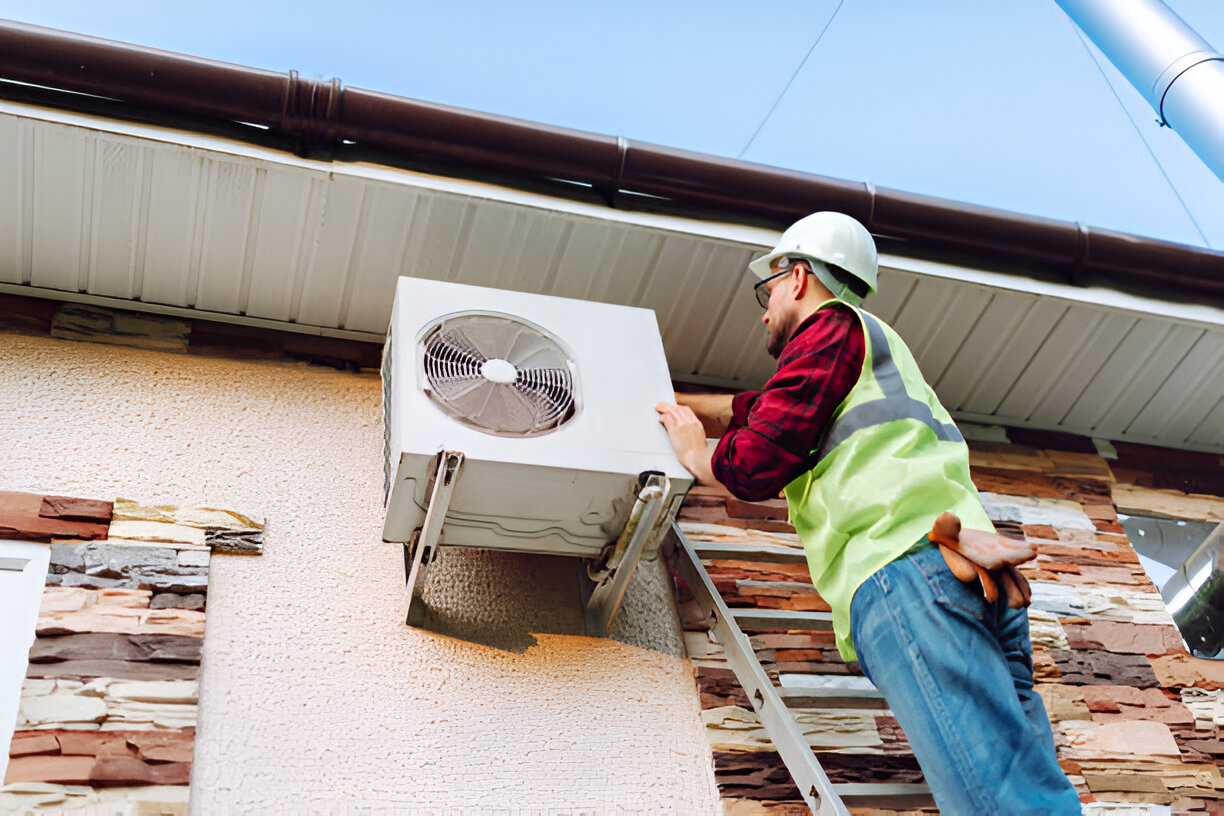
Heat pump installation requires specialized knowledge of electrical systems, refrigerant handling, and proper sizing. Improper installation can reduce efficiency by up to 30% and lead to premature system failure. Professional installation is strongly recommended and often required to maintain warranty coverage.
Do heat pumps provide enough heat in winter?
Yes, properly sized heat pumps can fully heat your home. Unlike older models, today’s heat pumps deliver warm air at temperatures that feel comfortable (95-105°F). While this is cooler than the 120-125°F air from a furnace, heat pumps run longer cycles that maintain comfortable room temperatures more consistently.
Can I combine ductless and central systems?
Absolutely! Many homeowners use a “hybrid” approach. For example, you might keep your central system for the main living areas while adding ductless units to a new addition, finished basement, or rooms that are always too hot or cold. This gives you the best of both worlds.
Making Your Heat Pump Decision
When choosing between ductless and central heat pumps, consider your home’s layout, your comfort preferences, and your budget. Both systems offer efficient heating and cooling, but they deliver comfort in different ways.
For existing homes with good ductwork, a central heat pump often makes sense. For homes without ducts, renovations, or when you want zone control, ductless systems typically offer better value. Many homeowners find that the higher efficiency and zone control of ductless systems offset their higher initial cost over time.
Remember that proper sizing and professional installation are crucial for either system. A heat pump that’s too large or too small won’t provide optimal comfort or efficiency. Working with a qualified HVAC professional ensures you get the right system for your specific needs.
At Borts HVAC, we specialize in both ductless and central heat pump systems. Our experts can evaluate your home, discuss your comfort goals, and help you choose the perfect solution. Contact us today to schedule a free consultation and take the first step toward better home comfort!
