


Table of Contents
A heat pump defrost cycle keeps your heating system working well during cold weather. When temperatures drop, ice can build up on the outdoor unit of your heat pump. This ice makes it harder for your system to heat your home. The defrost cycle melts this ice away so your heat pump can work properly.
Understanding how the defrost cycle works helps you know when your system is working right and when there might be a problem. This can save you from unnecessary service calls and keep your home comfortable all winter long.
What is a Heat Pump Defrost Cycle?
The Basics
The heat pump defrost cycle is a built-in feature that removes ice from the outdoor unit during winter. Think of it like a self-cleaning process for your heat pump. During normal heating, the outdoor coil gets very cold as it pulls heat from outside air. When temperatures fall below 40°F, moisture in the air can freeze on this cold coil.

Why It Matters
Without the defrost feature, ice would keep building up on the coil. This ice acts like a barrier that blocks heat transfer. The defrost cycle briefly reverses the heating process, sending hot refrigerant to the outdoor coil to melt the ice. This helps your system keep working efficiently even when it’s cold outside.
Most modern heat pumps run defrost cycles automatically when needed. These cycles usually last 5 to 15 minutes. During this time, you might see steam coming from the outdoor unit and feel slightly cooler air from your vents.
Why Heat Pumps Need to Defrost
The Ice Problem
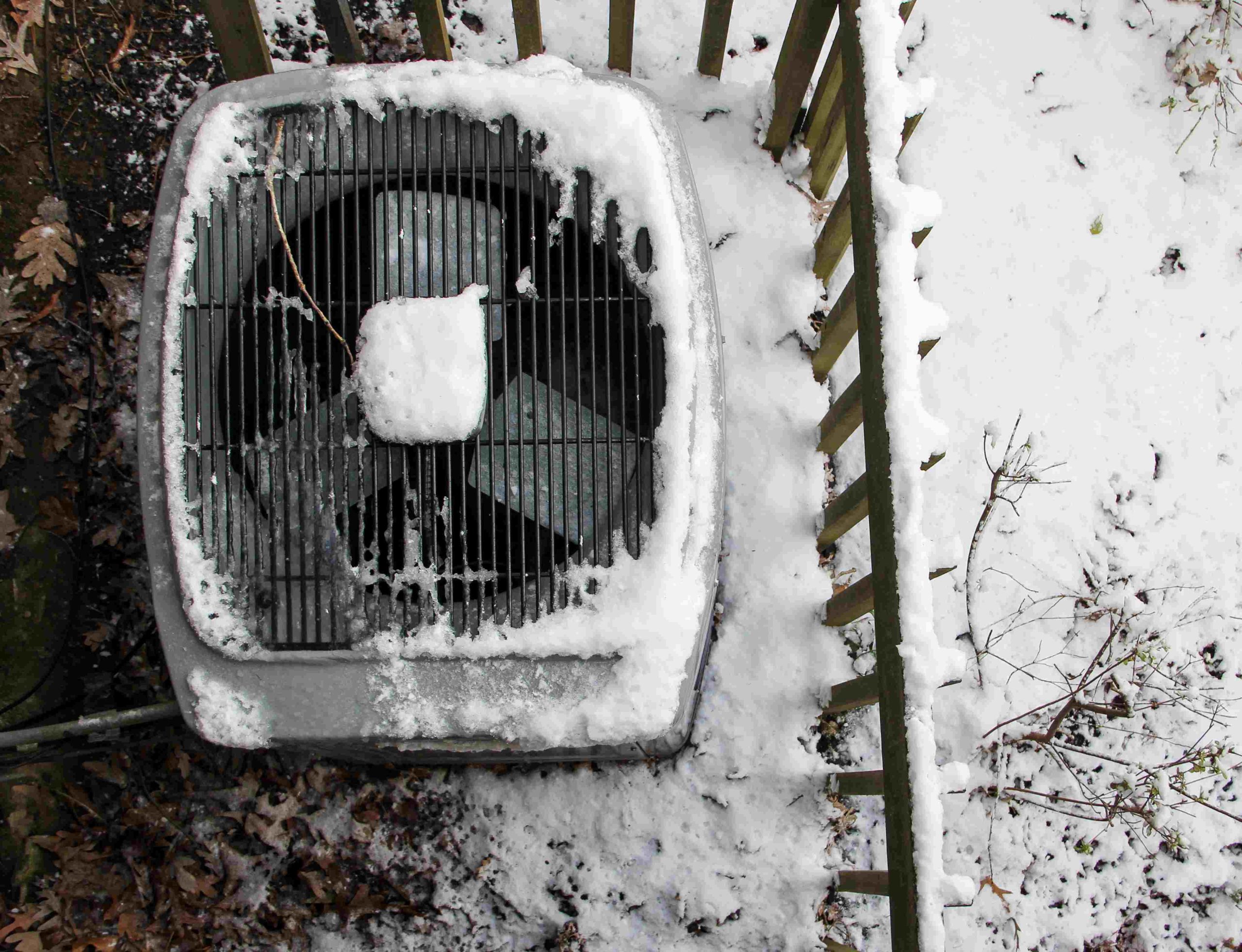
Heat pumps need to defrost because ice on the outdoor coil makes it hard for the system to absorb heat from the air. A heat pump works by taking heat from outside air (even cold air has some heat) and moving it into your home. When ice covers the coil, it blocks this heat transfer.
Impact on Performance
This ice buildup causes several problems:
- Less heating power – Your home won’t warm up as quickly
- Lower efficiency – Your system uses more energy to produce heat
- Higher energy bills – You pay more for the same amount of heat
- Possible damage – System parts can wear out faster
Even a thin layer of ice (just 1/8 inch) can reduce efficiency by up to 30%. Without defrost cycles, a heat pump would eventually stop heating altogether.
When Ice Forms
Ice is most likely to form when:
- Temperatures are between 20°F and 40°F
- The air is humid
- It’s raining or snowing lightly
- At night when temperatures drop
How the Defrost Cycle Works
The Process
The defrost cycle works by temporarily reversing the normal heating process. During regular heating, refrigerant absorbs heat from outdoor air and releases it inside. During defrost, this process flips for a short time.
Step by Step
Here’s what happens during a typical defrost cycle:
- Cycle begins – The system detects ice buildup
- System reverses – The heat pump switches to cooling mode
- Indoor fan changes – The indoor fan may slow down or stop
- Backup heat turns on – Electric heating elements often activate
- Outdoor fan stops – This keeps warm air around the coil
- Ice melts – Hot refrigerant flows through the outdoor coil (5-15 minutes)
- System returns to heating – Once the ice is gone, normal heating resumes
What You Might Notice
During this process, you might notice:
- Steam rising from the outdoor unit (this is normal)
- Water dripping from the outdoor unit
- Different sounds than usual
- Brief reduction in airflow from vents
Modern heat pumps minimize the impact on indoor comfort during defrost cycles. The backup heat helps keep your home warm while the defrost cycle runs.
Types of Defrost Systems
Heat pumps use different methods to decide when to start a defrost cycle. Knowing these can help you understand if your system is working properly.
Time-Temperature Method
Most home heat pumps use this method. It uses both a timer and temperature sensors:
- The timer allows for defrost every 30, 60, or 90 minutes of run time
- Temperature sensors compare the coil temperature to the outdoor air temperature
- If the difference is large enough (showing frost), a defrost cycle starts
- If there’s no big difference when the timer runs out, normal heating continues
This balanced approach prevents too many defrost cycles while making sure ice doesn’t build up too much.
Demand Defrost
More advanced heat pumps use demand defrost, which saves energy by only running defrost cycles when truly needed:
- Multiple sensors monitor coil temperature, air temperature, and sometimes airflow
- Smart controls analyze this data to detect when frost is affecting performance
- The system only defrosts when necessary, not on a set schedule
- Some systems learn from past cycles to optimize timing
Demand defrost can save 5-10% on winter heating costs by eliminating unnecessary defrost cycles.
Signs of Normal Defrost Operation
Knowing when your heat pump is defrosting helps you tell normal operation from potential problems. Here’s what to look for:
Visual Clues
You might see:
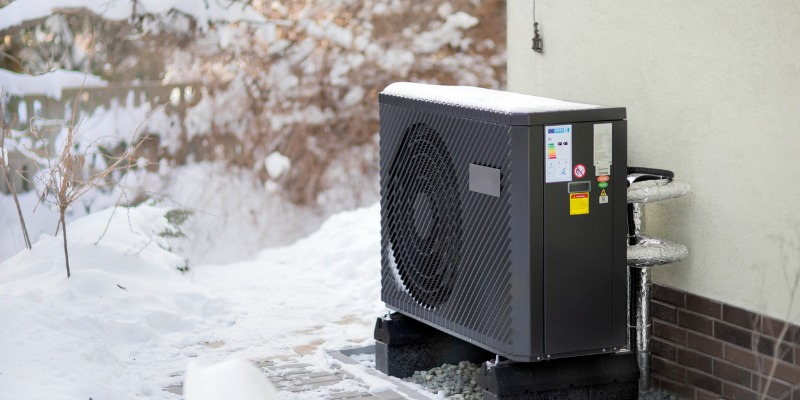
- Steam or vapor rising from the outdoor unit
- Water dripping from the bottom of the outdoor unit
- Ice melting on the outdoor coil
- Outdoor fan not running while the system is on
Changes Inside Your Home
You might notice:
- Temporary pause or reduction in airflow from vents
- Brief period of cooler air from vents
- Different sounds than during normal operation
- Auxiliary heat light on your thermostat (if you have one)
Normal Timing
A healthy system will:
- Run defrost cycles that last 5-15 minutes
- Not defrost more than once per hour in normal conditions
- Defrost more often in humid, near-freezing conditions
Remember that these signs should be temporary. If your system stays in defrost mode for more than 20-30 minutes, or if it defrosts very frequently, you might have a problem.
Common Defrost Problems
While the defrost cycle should work automatically, several issues can affect it. Knowing common problems helps you spot when you might need service.
System Won’t Defrost
When the defrost cycle doesn’t start despite visible ice buildup, it could be due to:
- Broken defrost control board
- Faulty temperature sensors
- Stuck reversing valve
- Bad timer
- Wiring problems
Without defrosting, ice keeps building up, making your system work harder and potentially damaging parts.
Incomplete Defrosting
Sometimes the defrost cycle starts but stops too soon, leaving ice on the coil. This might happen because of:
- Problems with the defrost end sensor
- Low refrigerant
- Timer issues
- Control board problems
Partial defrosting doesn’t solve the efficiency problem and can lead to more ice buildup over time.
Too Frequent Defrosting
If your system defrosts too often, it wastes energy and reduces heating. This commonly results from:
- Poorly calibrated sensors
- Control board issues
- Refrigerant problems
- Outdoor fan not working right
Excessive defrosting increases energy use and makes your home less comfortable due to frequent heating interruptions.
Stuck in Defrost Mode
One of the worst problems is when a heat pump gets stuck in defrost mode. This typically happens because:
- The defrost end sensor fails
- The reversing valve gets stuck
- Control board failures
- Wiring problems
A system stuck in defrost can’t provide heating and may cause water damage from excess condensation.
Simple Troubleshooting Tips
When you have defrost cycle problems, some basic checks can help identify the issue or tell you when to call for service.
For Systems That Won’t Defrost
- Check power – Make sure your system has electricity
- Clear the outdoor unit – Remove leaves, debris, or snow
- Check thermostat settings – Make sure it’s set to “heat,” not “emergency heat”
- Look for heavy ice – If ice completely covers the unit, you likely need professional help
For Systems Stuck in Defrost
- Time it – See how long the unit stays in defrost mode
- Look for steam – If no steam appears during apparent defrost, there might be refrigerant issues
- Listen for clicks – You should hear a click when defrost starts and ends
- Check for heat – If no heat comes out for more than 30 minutes, call for service
For most defrost issues, professional diagnosis is necessary if basic checks don’t solve the problem. Heat pump systems need special knowledge and tools to service properly.
Maintenance Tips for Better Performance
Good maintenance helps your heat pump’s defrost cycle work well. Here are key practices that prevent defrost problems:
Outdoor Unit Care
- Keep space around the unit – Maintain at least 18 inches of clearance on all sides
- Remove debris often – Clear leaves, twigs, and grass clippings
- Clear snow carefully – Remove snow without damaging the coil fins
- Trim plants – Keep shrubs and branches away from the unit
Cleaning Tips
- Rinse the outdoor coil – Gently spray with water (with power off) twice a year
- Fix bent fins – Use a fin comb to straighten bent coil fins
- Check for rust – Look for corrosion and address it early
- Ensure good drainage – Make sure water doesn’t pool around the unit
Regular Maintenance
- Change filters regularly – Replace air filters every 1-3 months
- Check drain lines – Make sure indoor condensate lines are clear
- Schedule yearly service – Have a professional check your system every year
When to Call a Professional
Sometimes you need expert help with your heat pump. Here are signs it’s time to call Borts HVAC:
Emergency Situations
Call right away if:
- Heavy ice buildup – When ice completely covers your outdoor unit
- No defrosting – You see ice that never melts off
- Stuck in defrost – Your system stays in defrost mode longer than 30 minutes
- Strange smells – You notice unusual odors when your system runs
- Breaker trips – Your circuit breaker keeps turning off
- No heat – Your system runs but doesn’t warm your home
- Unusual noises – You hear loud banging or grinding sounds
Non-Emergency Issues
Schedule service soon for:
- Frequent defrost cycles – More than once per hour in normal weather
- Short cycling – System turns on and off too quickly
- Poor heating – Home doesn’t get warm enough
- Higher bills – Unexplained increases in energy costs
- Inconsistent performance – System works well some days but not others
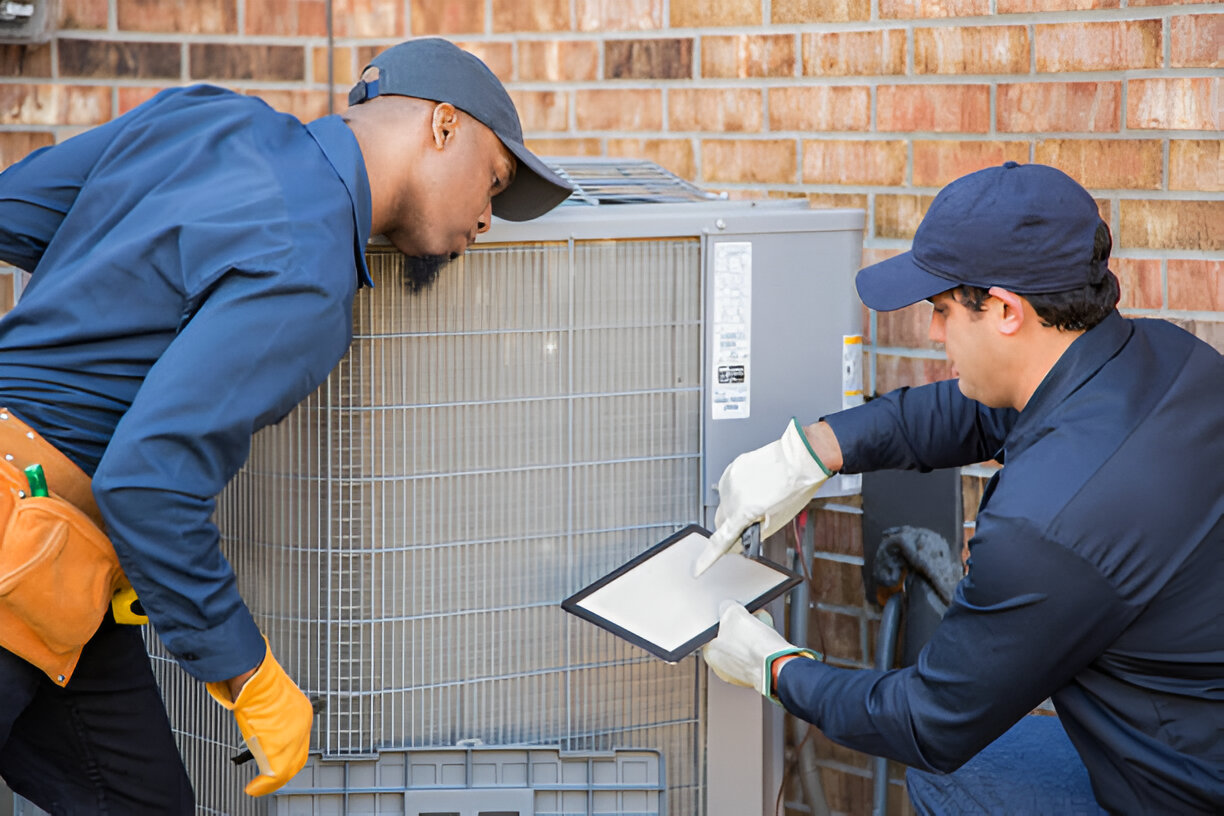
Professional technicians have special tools to properly diagnose and fix defrost problems. Trying to fix refrigerant issues yourself can be dangerous and may even be illegal without proper certification.
Frequently Asked Questions
Q: How long should a heat pump stay in defrost mode?
A: A normal defrost cycle lasts 5 to 15 minutes. If it goes longer than 20 minutes, you might have a problem that needs professional attention.
Q: Is it normal for a heat pump to make noise during defrost?
A: Some noise is normal during defrost. You might hear whooshing when the valve switches, dripping as ice melts, and mild hissing. However, loud banging or grinding noises aren’t normal and should be checked by a professional.
Q: How often should a heat pump defrost?
A: In very cold, humid weather, defrosting might happen once per hour. In milder weather, it might only happen a few times per day. If your system defrosts more than once every 30 minutes in normal conditions, you might have a problem.
Q: Does defrosting use more electricity?
A: Yes, defrost cycles temporarily increase electricity use because the system reverses operation and often turns on backup electric heat. This is necessary for efficiency, but excessive defrosting can significantly raise your heating costs.
Q: Should I cover my heat pump in winter?
A: No, never completely cover your heat pump. It needs airflow to work properly, even in cold weather. Just keep it clear of snow, ice, leaves, and debris.
Conclusion
The heat pump defrost cycle is essential for keeping your heating system working well in cold weather. By temporarily reversing operation to melt ice, this smart feature helps your heat pump extract heat from outdoor air even when it’s cold outside. Understanding how the defrost cycle works helps you know when your system is working right and when you might need service.
Remember that while you can do some basic troubleshooting yourself, many defrost problems need professional diagnosis and repair. If you notice ongoing issues with your heat pump’s defrost function, contact Borts HVAC. Our experienced technicians can quickly identify and fix defrost cycle problems, helping you stay comfortable all winter long. Call us today to schedule a professional inspection of your heat pump system.
