


Table of Contents
If your heat pump is not switching modes between heating and cooling, the problem is likely due to thermostat settings, a stuck reversing valve, electrical issues, refrigerant problems, or a control board malfunction. Most heat pump mode switching problems can be fixed by checking your thermostat settings first, as this is the most common and easiest issue to resolve. For more complex problems like a stuck reversing valve or refrigerant issues, you might need professional help.
Understanding Heat Pumps
Heat pumps are amazing devices that can both heat and cool your home. But when they get stuck in one mode, it can be very frustrating – especially during season changes. The good news is that many heat pump mode switching problems have simple solutions you can try yourself before calling a repair person.
In this guide, we’ll walk through the most common reasons why your heat pump isn’t switching modes and provide easy-to-follow steps to fix the problem. We’ll also help you understand when it’s time to call a professional.

Common Reasons Why Heat Pumps Won’t Switch Modes
Before we jump into fixing your heat pump, it helps to understand why it might be stuck in one mode. Here are the most common culprits:
1. Thermostat Issues
The simplest and most common reason for a heat pump not switching modes is incorrect thermostat settings. Your thermostat might be set to the wrong mode, have dead batteries, or have wiring problems. Sometimes, the solution is as easy as changing a setting or replacing batteries.
2. Stuck Reversing Valve
The reversing valve is the part that allows your heat pump to switch between heating and cooling. If this valve gets stuck or fails, your system won’t be able to change modes. This is like having a switch that’s stuck in one position.
3. Electrical Problems
Faulty wiring, blown fuses, or tripped circuit breakers can prevent your heat pump from switching modes. These electrical issues can stop the signals that tell your heat pump to change from heating to cooling or vice versa.
4. Refrigerant Issues
Low refrigerant levels can cause your heat pump to malfunction and get stuck in one mode. Refrigerant is the special fluid that helps transfer heat, and without enough of it, your system can’t work properly.
5. Control Board Failure
The control board is like the brain of your heat pump. If it’s damaged or failing, it might not send the right signals to switch modes. This is similar to when a computer crashes and can’t perform normal functions.

5 Easy Troubleshooting Steps You Can Try
Now that you know what might be causing the problem, let’s look at some simple fixes you can try yourself:
1. Check Your Thermostat Settings
First, make sure your thermostat is set to the right mode. This sounds obvious, but it’s easy to overlook!
- Check that the thermostat is set to “Heat” if you want heating or “Cool” if you want cooling
- Make sure the temperature setting is appropriate (lower than room temperature for cooling, higher for heating)
- Replace the batteries if they’re old
- If you have a programmable thermostat, make sure the schedule isn’t overriding your manual settings
2. Reset Your System
Sometimes, your heat pump just needs a quick reset:
- Turn off your heat pump at the thermostat
- Find your circuit breaker panel and switch off the breaker for your heat pump
- Wait about 5 minutes
- Turn the breaker back on
- Turn your thermostat back on and select the desired mode
This simple reset can often clear minor electronic glitches that might be preventing mode switching.
3. Check for Airflow Problems
Poor airflow can cause your heat pump to malfunction:
- Replace or clean your air filters if they’re dirty
- Check that all vents in your home are open and not blocked by furniture
- Make sure the outdoor unit is clear of leaves, dirt, and debris
- Check that the fan is running in both indoor and outdoor units
4. Inspect for Ice Buildup
Ice on your outdoor unit can prevent proper operation:
- Check your outdoor unit for ice buildup
- If you see ice, turn the system to “Off” at the thermostat
- Set the fan to “On” to help melt the ice
- Once the ice is melted, you can try switching modes again
5. Check Circuit Breakers and Fuses
Electrical issues are common culprits:
- Check your circuit breaker panel for any tripped breakers related to your HVAC system
- Look for any blown fuses in the disconnect box near your outdoor unit
- Reset any tripped breakers or replace blown fuses
- Try switching modes again

Understanding Your Heat Pump’s Reversing Valve
The reversing valve is the key component that allows your heat pump to switch between heating and cooling modes. Understanding how it works can help you diagnose problems better.
How the Reversing Valve Works
Think of the reversing valve like a traffic director for refrigerant in your system. When you want cool air, it sends the refrigerant in one direction. When you want heat, it redirects the flow in the opposite direction.
The valve is controlled by an electrical solenoid that pushes the valve one way or the other. When you change the mode on your thermostat, it sends an electrical signal to this solenoid.
Signs of a Faulty Reversing Valve
Here are some clues that your reversing valve might be the problem:
- Your heat pump blows cold air when set to heat (or warm air when set to cool)
- You hear a hissing sound from your outdoor unit
- The system switches modes sometimes but not always
- Your heat pump runs constantly without reaching the set temperature
Testing the Reversing Valve
While replacing a reversing valve is a job for professionals, you can do a simple test to see if it might be the problem:
- Set your thermostat to cooling mode and listen for a clicking sound from the outdoor unit
- Wait a few minutes, then switch to heating mode
- Listen for another click as the reversing valve changes position
If you don’t hear these clicks, the valve might not be receiving the signal to change, or the solenoid might be faulty.
When to Call a Professional
While many heat pump problems can be fixed with simple troubleshooting, some issues require professional help. Here’s when to pick up the phone:
Signs You Need Professional Help
- You’ve tried all the troubleshooting steps and your heat pump still won’t switch modes
- You hear unusual noises like grinding, screeching, or loud humming
- You notice refrigerant leaks (oil spots near the unit or hissing sounds)
- Your system is short-cycling (turning on and off frequently)
- Your energy bills have suddenly increased without explanation
- The system is more than 10-15 years old and having recurring problems
What to Expect from a Professional Service Call
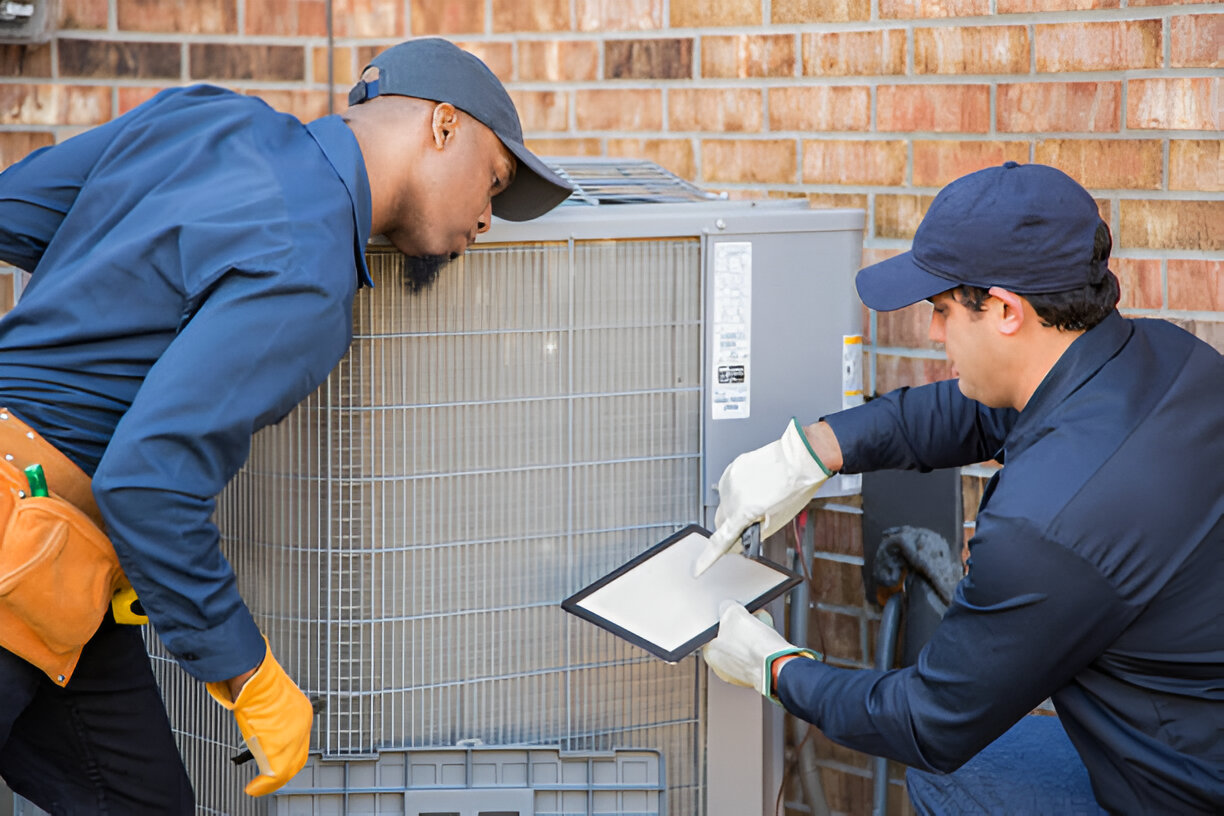
When you call a professional HVAC technician, they will:
- Perform a complete system diagnostic
- Check refrigerant levels and look for leaks
- Test electrical components including the reversing valve solenoid
- Inspect the control board for faults
- Clean components as needed
- Recommend repairs or replacement parts
A professional service call typically costs between $75-$200, depending on your location. Repairs will be additional, with reversing valve replacements costing $400-$600 including labor.
Preventing Future Mode Switching Problems
The best way to avoid heat pump mode switching problems is through regular maintenance. Here are some tips to keep your system running smoothly:
Regular Maintenance Tasks
- Monthly: Check and replace air filters
- Seasonally: Clear debris from around outdoor unit
- Twice yearly: Schedule professional maintenance (spring and fall)
- Yearly: Clean indoor vents and registers
Professional Maintenance Benefits
Regular professional maintenance helps prevent mode switching problems by:
- Ensuring proper refrigerant levels
- Cleaning coils and components
- Checking and tightening electrical connections
- Lubricating moving parts
- Testing the reversing valve operation
- Calibrating thermostat settings
Smart Thermostats Can Help
Consider upgrading to a smart thermostat. These devices can:
- Alert you to potential problems
- Monitor system performance
- Provide more precise temperature control
- Allow remote troubleshooting
- Track energy usage patterns
Many smart thermostats can detect when your system isn’t responding correctly to mode change commands and will notify you before small problems become big ones.
Frequently Asked Questions
Why does my heat pump blow cold air when set to heat?
If your heat pump is blowing cold air when set to heat, it could be because:
- The reversing valve is stuck in cooling mode
- The outdoor temperature is very low (below 35°F) and your auxiliary heat hasn’t kicked in yet
- You’re feeling the air before it’s had time to warm up (heat pump air isn’t as hot as furnace air)
- Your system is in defrost mode, which temporarily switches to cooling to melt ice on the outdoor unit
How long should it take for my heat pump to change modes?
Your heat pump should begin changing modes within 1-2 minutes after you adjust the thermostat. However, you might not feel the temperature change immediately. It typically takes 10-15 minutes to feel a noticeable difference in air temperature after switching modes.
Can a heat pump be stuck in defrost mode?
Yes, a heat pump can get stuck in defrost mode if the defrost control board or sensors malfunction. When this happens, your system might repeatedly try to defrost even when there’s no ice, preventing normal operation. This usually requires professional repair.
Why does my heat pump work in cooling mode but not heating?
If your heat pump works in cooling but not heating, the most likely causes are:
- A faulty reversing valve
- Low refrigerant levels
- A problem with the auxiliary heating system
- Outdoor temperature sensors giving false readings
How often should I switch between heating and cooling modes?
There’s no limit to how often you can switch modes, but frequent switching (multiple times per day) can put extra wear on your reversing valve. It’s best to pick a mode and stick with it when possible. During mild spring or fall weather, consider using the “Auto” mode if your thermostat has this feature.
Is it normal for my heat pump to make a noise when switching modes?
Yes, it’s normal to hear a brief clicking or whooshing sound when your heat pump switches modes. This is the sound of the reversing valve changing position and refrigerant flow changing direction. However, loud banging, grinding, or screeching noises are not normal and indicate a problem.
Turn to Professionals for Expert Heat Pump Repair
When your heat pump is not switching modes, start with the simple fixes like checking thermostat settings and resetting your system. If these steps don’t work, you may have a more serious issue with the reversing valve or electrical components that requires professional attention.
Regular maintenance is the best way to prevent mode switching problems and extend the life of your heat pump. By keeping your system clean and well-maintained, you can avoid most common heat pump issues and ensure comfortable temperatures year-round.
Need help with your heat pump not switching modes? At Borts HVAC, we are ready to help you! Book an appointment today to get your heating and cooling system back on track and enjoy comfortable temperatures in your home all year long.