


Table of Contents
Heat Pump vs Furnace: Understanding Your Home Heating Options
When choosing between a heat pump vs furnace for your home, the main difference is how they generate heat. A furnace burns fuel (like gas or oil) to create heat, while a heat pump moves heat from outside air into your home without burning anything. Heat pumps work as both heaters and air conditioners, while furnaces only provide heat. Heat pumps are more energy-efficient in mild climates, but furnaces perform better in very cold regions. Your choice should depend on your local climate, energy costs, and whether you need both heating and cooling.
Let’s explore these heating systems in detail so you can make the best choice for your home comfort needs.
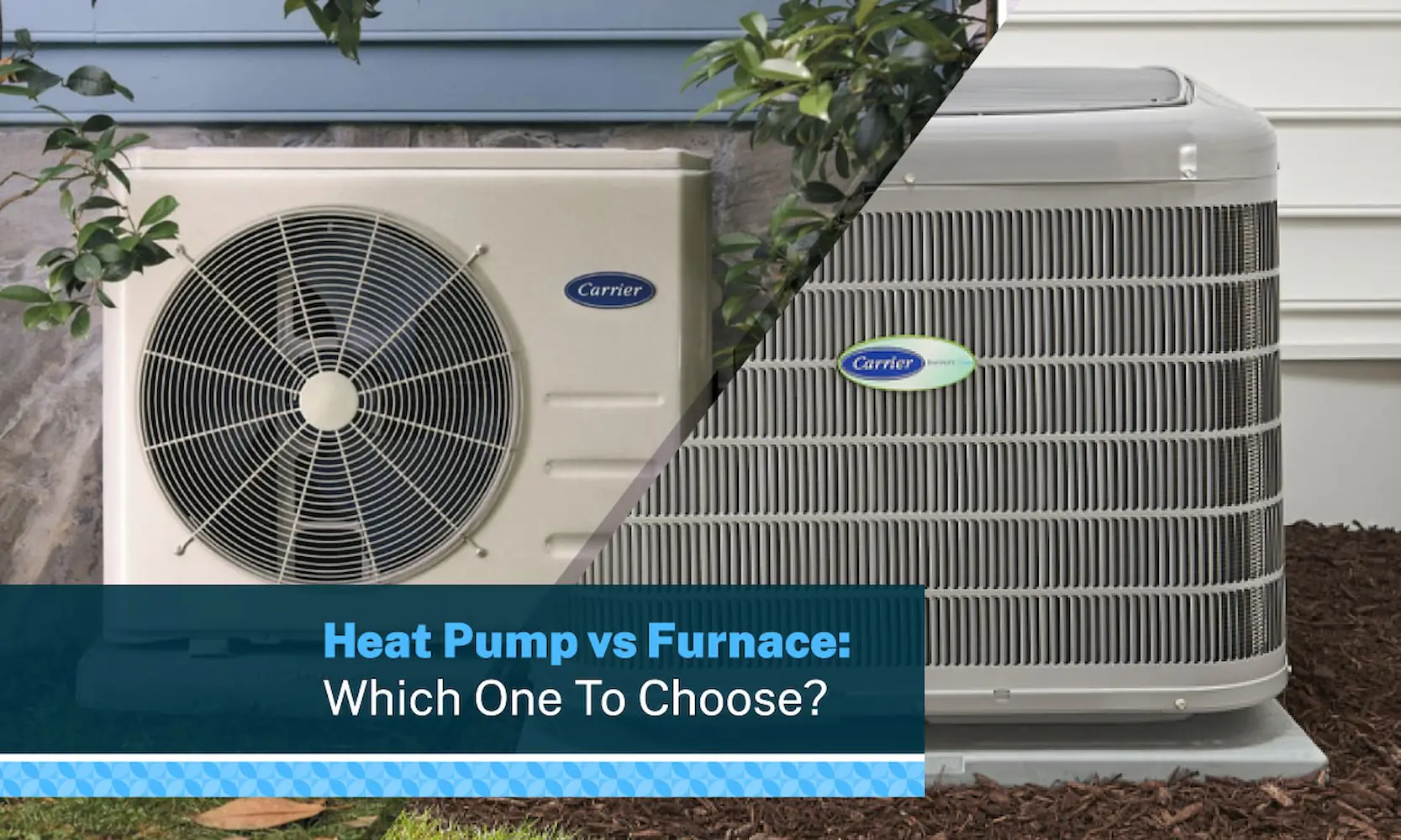
What Is a Heat Pump and How Does It Work?
A heat pump is a versatile heating and cooling system that transfers heat instead of generating it. Think of it like a refrigerator working in reverse. During winter, it pulls heat from the outside air (yes, even cold air contains some heat!) and moves it inside your home.
The system works through a refrigeration cycle. It has an outdoor unit with coils containing refrigerant that absorbs heat from the air. This refrigerant gets compressed, which raises its temperature even more. Then it travels to the indoor unit where a fan blows across the hot coils, spreading warmth throughout your home.
In summer, the process reverses. The heat pump pulls heat from inside your home and releases it outside, cooling your living space. This dual functionality makes heat pumps unique compared to other heating systems.
Types of Heat Pumps
There are three main types of heat pumps you might consider:
- Air-source heat pumps: The most common type that transfers heat between your house and outside air. These are easier to install and less expensive than other types.
- Ground-source (geothermal) heat pumps: These transfer heat between your house and the ground or a water source nearby. They’re more expensive to install but super efficient and can save more money long-term.
- Ductless mini-split heat pumps: Perfect for homes without ductwork, these have an outdoor compressor connected to indoor air-handling units in different rooms.
Pros of Heat Pumps
Heat pumps offer several advantages that make them attractive to homeowners:
- Energy efficiency: Heat pumps can be 3-4 times more efficient than furnaces because they move heat rather than generate it.
- Lower operating costs: The high efficiency translates to lower monthly energy bills, especially in moderate climates.
- Dual functionality: One system handles both heating and cooling, eliminating the need for separate systems.
- Environmentally friendly: They produce no on-site emissions and use less electricity than traditional heating systems.
- Even heating: Heat pumps typically provide more consistent temperatures throughout your home.
Cons of Heat Pumps
Despite their benefits, heat pumps have some drawbacks to consider:
- Higher upfront cost: Heat pumps typically cost more to purchase and install than furnaces.
- Reduced efficiency in extreme cold: Traditional air-source heat pumps lose efficiency when temperatures drop below freezing (though newer models work better in cold).
- Backup heating needed: In very cold regions, you might need supplemental heating during extreme weather.
- Shorter lifespan: Heat pumps typically last 10-15 years, while furnaces can last 15-20 years.
- More complex installation: Installing a heat pump often requires more work than a furnace replacement.
What Is a Furnace and How Does It Work?
A furnace is a heating system that creates warmth by burning fuel or using electricity. Unlike heat pumps that move heat, furnaces generate new heat. They’re like big ovens that warm air and blow it through your home.
The most common furnaces burn natural gas. When you turn up your thermostat, the furnace lights its burner. This heats up a component called a heat exchanger. A blower fan pushes air across this hot metal surface, warming the air. This warm air then travels through ducts to heat your rooms.
Furnaces only provide heating, not cooling. They work with a separate air conditioning system for summer comfort.
Types of Furnaces
Furnaces come in several varieties based on their fuel source:
- Natural gas furnaces: The most common type, using natural gas piped into your home to fuel combustion.
- Oil furnaces: Common in areas without natural gas lines, these burn heating oil delivered to your home.
- Electric furnaces: These use electric heating elements instead of combustion to create heat.
- Propane furnaces: Similar to natural gas models but use propane from a tank on your property.
Pros of Furnaces
Furnaces have stood the test of time for good reasons:
- Lower initial cost: Furnaces typically cost less to purchase and install than heat pumps.
- Effective in extreme cold: Furnaces maintain their heating capacity regardless of outdoor temperatures.
- Longer lifespan: A well-maintained furnace can last 15-20 years or more.
- Quick heating: Furnaces can heat homes quickly, producing very warm air (120-140°F).
- Widely available parts and service: Since furnaces are common, it’s easy to find repair services and replacement parts.
Cons of Furnaces
Furnaces also come with several disadvantages:
- Heating only: Unlike heat pumps, furnaces only provide heat, requiring a separate AC system for cooling.
- Lower energy efficiency: Even high-efficiency furnaces convert only about 95% of fuel to heat, while heat pumps can be 300% efficient.
- Fossil fuel use: Gas and oil furnaces burn fossil fuels, contributing to carbon emissions.
- Safety concerns: Combustion furnaces carry risks of carbon monoxide leaks if not properly maintained.
- Drier heat: Furnaces can reduce indoor humidity, potentially causing dry skin and static electricity in winter.
Cost Comparison: Heat Pump vs Furnace
When comparing costs between heat pumps and furnaces, you need to consider both upfront and long-term expenses.
Initial Installation Costs
Heat pumps typically cost more to install than furnaces:
- Heat pump installation: $4,000-$8,000 for air-source models; $10,000-$30,000 for geothermal systems
- Furnace installation: $2,500-$6,000 depending on efficiency and type
However, remember that a heat pump provides both heating and cooling. If you’re installing a new furnace and air conditioner, the combined cost ($5,000-$10,000) is comparable to a heat pump system.
Operating Costs
This is where heat pumps often shine:
- Heat pump efficiency: Heat pumps can deliver 3 units of heat for every unit of electricity consumed (300% efficient)
- Furnace efficiency: Even high-efficiency furnaces max out around 95-98% efficiency
In moderate climates, a heat pump might save $300-$500 annually on heating costs compared to a furnace. However, in very cold regions where temperatures regularly drop below freezing, furnaces might be more economical to operate.
Maintenance Costs
Both systems require regular maintenance:
- Heat pump maintenance: $150-$300 annually, covering both heating and cooling functions
- Furnace maintenance: $100-$200 annually, plus additional AC maintenance if you have central air
Lifespan and Replacement
Consider how long each system typically lasts:
- Heat pumps: 10-15 years on average
- Furnaces: 15-20 years or more with proper maintenance
This means you might replace a heat pump more frequently, adding to its lifetime cost.
Energy Efficiency Comparison
Energy efficiency affects both your utility bills and environmental impact.
Heat Pump Efficiency Ratings
Heat pumps use two efficiency ratings:
- HSPF (Heating Seasonal Performance Factor): Measures heating efficiency, with higher numbers being better. Modern heat pumps have HSPF ratings of 8-10.
- SEER (Seasonal Energy Efficiency Ratio): Measures cooling efficiency. Today’s heat pumps typically have SEER ratings of 14-20.
Furnace Efficiency Ratings
Furnaces use a different measurement:
- AFUE (Annual Fuel Utilization Efficiency): The percentage of fuel converted to heat. Modern furnaces range from 80% to 98% AFUE.
Environmental Impact
From an environmental perspective:
- Heat pumps produce no direct emissions and, when powered by renewable electricity, can be nearly carbon-neutral.
- Gas furnaces always produce carbon dioxide and other emissions during operation.
As electricity grids become greener with more renewable energy, heat pumps become even more environmentally friendly over time.
Which System Is Right for Your Climate?
Your local climate plays a huge role in determining which heating system makes more sense.
Heat Pumps for Moderate Climates
Heat pumps work best in regions with:
- Mild winters where temperatures rarely drop below 30°F
- Hot summers where air conditioning is needed
- Areas with high electricity access but limited natural gas
Places like the Southeast, Southwest, and Pacific Coast benefit most from heat pumps.
Furnaces for Cold Climates
Furnaces make more sense in areas with:
- Severe winters with temperatures regularly below freezing
- Regions with affordable natural gas
- Areas where heating demands far exceed cooling needs
The Northeast, Midwest, and Mountain regions often favor furnaces for their reliable cold-weather performance.
Hybrid Systems: The Best of Both Worlds
Can’t decide? Consider a dual-fuel or hybrid system:
- Combines a heat pump with a furnace backup
- Uses the heat pump during mild weather for efficiency
- Automatically switches to the furnace during extreme cold
- Provides optimal efficiency across all seasons
These systems cost more upfront but offer maximum comfort and efficiency in variable climates.
Frequently Asked Questions About Heat Pumps vs Furnaces
Which is cheaper to run, a heat pump or furnace?
In moderate climates, heat pumps are typically cheaper to run because they’re more efficient. They can produce 3 units of heat for every unit of electricity used. In very cold regions, furnaces might be more economical because heat pumps lose efficiency in freezing temperatures. Your local energy prices (electricity vs. gas) also affect which system costs less to operate.
Do heat pumps work in cold weather?
Yes, but with limitations. Standard air-source heat pumps work efficiently down to about 25-30°F. Below that, their efficiency drops. However, newer cold-climate heat pumps can operate effectively even at 0°F or lower. In extremely cold regions, heat pumps often include electric resistance backup heating that kicks in when needed.
How long do heat pumps and furnaces last?
Furnaces typically last longer. A well-maintained furnace can operate for 15-20 years or more. Heat pumps generally last 10-15 years because they run year-round (for both heating and cooling) and have more complex mechanical systems. Regular maintenance can extend the lifespan of both systems.
Can I replace my furnace with a heat pump?
Yes, in most cases. If your home already has ductwork for a furnace, an air-source heat pump can usually use the same ducts. The outdoor unit will need a concrete pad and electrical connections. If you don’t have ducts, a ductless mini-split heat pump system is an option. Always consult with an HVAC professional to ensure your electrical system can handle a heat pump.
Are heat pumps or furnaces better for the environment?
Heat pumps are generally more environmentally friendly because they don’t burn fossil fuels directly and are more efficient. When powered by renewable electricity, they can be nearly carbon-neutral. Gas furnaces always produce carbon emissions during operation. However, if your local electricity comes primarily from coal plants, the environmental advantage of heat pumps might be reduced.
Can I have both a heat pump and furnace?
Yes! This is called a dual-fuel or hybrid system. It uses a heat pump during mild weather for efficiency and automatically switches to the furnace during extreme cold. These systems provide optimal comfort and efficiency year-round, though they cost more upfront. Many homeowners find the long-term savings worth the investment.
Making Your Heat Pump vs Furnace Decision
Choosing between a heat pump and furnace doesn’t have to be overwhelming. Here’s a simple approach to make your decision:
First, consider your climate. If you live somewhere with mild winters that rarely see temperatures below freezing, a heat pump probably makes more sense. If you experience severe winters, a furnace might be better (or a cold-climate heat pump).
Next, look at your energy options. Check local rates for electricity versus natural gas. If electricity is relatively inexpensive in your area while gas is costly, a heat pump becomes more attractive. The opposite is also true.
Don’t forget to factor in your cooling needs. If you need air conditioning anyway, a heat pump that handles both heating and cooling might be more economical than buying a separate furnace and AC unit.
Finally, consider your environmental priorities. If reducing your carbon footprint is important to you, a heat pump generally offers the greener option, especially as the electrical grid incorporates more renewable energy.
Remember that you don’t have to make this decision alone. Professional HVAC contractors can provide personalized recommendations based on your specific home, climate, and needs.
Need help deciding between a heat pump and furnace for your home? Borts HVAC is here to help! Our experienced technicians can evaluate your home, discuss your needs, and recommend the perfect heating solution for your comfort and budget. Contact us today to schedule a consultation and take the first step toward a cozier, more efficient home.
