


Table of Contents
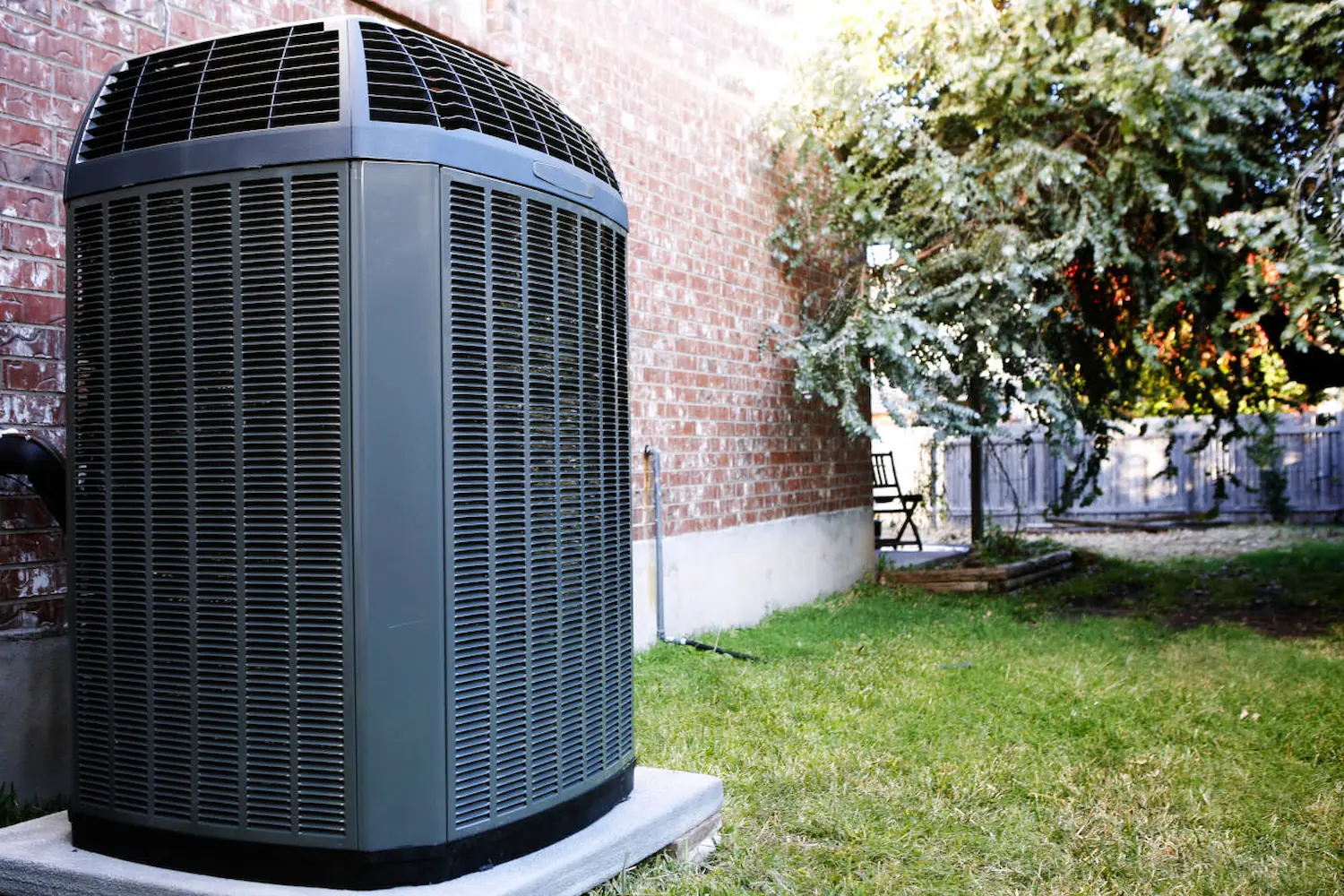
High Efficiency vs Standard Heat Pump: Understanding Your Options
High efficiency and standard heat pumps differ mainly in their SEER and HSPF ratings, energy consumption, and upfront costs. High efficiency heat pumps typically have SEER ratings of 16 or higher and HSPF ratings above 8.5, offering greater energy savings over time despite higher initial costs. Standard heat pumps have lower efficiency ratings (14-16 SEER, 8.2-8.5 HSPF) and cost less upfront but consume more energy long-term. Your best choice depends on your climate, budget, and how long you plan to stay in your home.
If you’re shopping for a new heat pump, you might feel confused about all the options. Should you spend more on a high efficiency model? Or will a standard heat pump work just fine? Let’s break down the differences in simple terms so you can make the best choice for your home.
What Makes a Heat Pump “High Efficiency”?
Heat pumps come with important numbers that tell you how efficient they are. These numbers are like grades for how well the heat pump uses energy.
Understanding SEER and HSPF Ratings
The two main numbers to look at are SEER and HSPF:
SEER (Seasonal Energy Efficiency Ratio): This measures cooling efficiency. Higher numbers mean better cooling with less electricity.
HSPF (Heating Seasonal Performance Factor): This measures heating efficiency. Higher numbers mean better heating with less electricity.
Standard heat pumps typically have SEER ratings between 14-16 and HSPF ratings around 8.2-8.5. High efficiency models have SEER ratings of 16 or higher (sometimes up to 20+) and HSPF ratings above 8.5 (up to 13 in the best models).
Technology Differences
High efficiency heat pumps use better technology than standard models:
Variable-speed compressors: These can run at different speeds instead of just “on” or “off.” This saves energy and keeps your home’s temperature more steady.
Better motors: High efficiency models use advanced motors that use less electricity.
Improved coil design: The parts that transfer heat work better in high efficiency models.
Think of it like cars – a standard heat pump is like a basic car that gets you where you need to go. A high efficiency heat pump is like a hybrid car that uses special technology to go farther on less gas.
Cost Comparison: Initial Investment vs. Long-Term Savings
When comparing heat pumps, you need to think about both the price tag today and how much you’ll pay for electricity over many years.
Upfront Purchase and Installation Costs
Standard heat pumps typically cost between $4,000 and $7,000 installed. High efficiency models usually cost $6,000 to $12,000 or more.
Why such a big difference? High efficiency models use more advanced parts and technology. It’s like comparing a basic phone to a fancy smartphone – the one with more features costs more.
Monthly Energy Savings
Here’s where high efficiency models shine. They use less electricity to heat and cool your home. Depending on your climate and energy rates, a high efficiency heat pump might save you $20-$50 per month on your electric bill.
Let’s do some simple math:
- If you save $30 per month, that’s $360 per year
- Over 10 years, that’s $3,600 in savings
This means a high efficiency heat pump might pay for its higher price after 5-7 years through lower electric bills. After that, the savings are like money in your pocket!
Rebates and Incentives
Don’t forget about special discounts! Many utility companies and government programs offer rebates when you buy a high efficiency heat pump. These can be worth hundreds or even thousands of dollars.
For example, the federal government offers tax credits for energy-efficient home improvements. Some local power companies also give cash rebates for upgrading to more efficient systems.
These incentives can make the price difference between standard and high efficiency models much smaller than it first appears.
Performance Differences You’ll Notice
Beyond the numbers and costs, you’ll feel real differences in how these systems work in your home.
Comfort Level and Temperature Consistency
High efficiency heat pumps with variable-speed technology maintain more consistent temperatures. Standard models tend to cycle on and off more frequently, which can create noticeable temperature swings.
Imagine this: With a standard heat pump, you might feel perfectly comfortable, then slightly too cool, then comfortable again as the system cycles. With a high efficiency model, the temperature stays steady because the system can run at lower speeds for longer periods.
Noise Levels
High efficiency heat pumps are usually quieter. When running at lower speeds, they make less noise than standard models that blast on at full power.
A standard heat pump might sound like a box fan on medium or high setting. A high efficiency model at low speed might be as quiet as a whisper or gentle rainfall.
Humidity Control
Better humidity control is another benefit of high efficiency models. By running longer at lower speeds, they remove more moisture from the air during summer months.
This means your home feels less sticky during humid weather. Better humidity control also helps prevent mold and mildew problems.
Which Type Is Best for Different Homes and Climates?
Not every home needs the same heat pump. Your best choice depends on several factors.
Climate Considerations
In places with extreme temperatures, high efficiency heat pumps usually make more sense:
Very hot climates: If you live somewhere like Florida or Arizona where cooling runs most of the year, the energy savings from a high efficiency model add up quickly.
Very cold climates: In places like Minnesota or Maine, high efficiency heat pumps with higher HSPF ratings perform better in cold weather.
Mild climates: If you live somewhere with mild temperatures, a standard heat pump might be sufficient since it won’t run as often.
Larger homes or poorly insulated homes usually benefit more from high efficiency models. The more your system needs to run, the more you’ll save with better efficiency.
Home Size and Insulation
For a small, well-insulated home, the difference in operating costs might be smaller, making a standard heat pump more reasonable.
How Long You Plan to Stay
If you plan to live in your home for many years, a high efficiency heat pump makes more financial sense. You’ll have time to recoup the higher upfront cost through energy savings.
If you might move within 3-5 years, you might not own the heat pump long enough to break even on the higher cost of a high efficiency model.
Maintenance Requirements and Lifespan
Both types of heat pumps need regular care, but there are some differences in what to expect long-term.
Regular Maintenance Needs
All heat pumps need basic maintenance:
- Changing or cleaning air filters every 1-3 months
- Annual professional check-ups
- Keeping outdoor units clear of debris
High efficiency models sometimes have more complex parts that might need specialized service. However, the basic maintenance routine is similar for both types.
Expected Lifespan Comparison
With proper care, most heat pumps last 10-15 years. High efficiency models sometimes last longer because:
- They run at lower speeds more often, causing less wear and tear
- They’re built with higher quality components
- They cycle on and off less frequently
This longer lifespan can offset some of the higher initial cost. If a standard heat pump might last 12 years while a high efficiency model lasts 15 years, that’s 3 extra years before replacement.
Repair Costs and Common Issues
When repairs are needed, high efficiency models can be more expensive to fix because:
- Parts may cost more
- More complex technology might require specialized technicians
- Some advanced components aren’t available from generic suppliers
However, high efficiency models might need fewer repairs overall due to better build quality and less strain on components.
Making Your Final Decision
With all this information, how do you choose? Here’s a simple way to think about it.
When to Choose High Efficiency
A high efficiency heat pump makes the most sense if:
- You plan to stay in your home 5+ years
- Your energy costs are high
- You live in an area with extreme temperatures
- Comfort and consistent temperatures are very important to you
- You qualify for significant rebates or tax credits
- You want the lowest possible monthly operating costs
When to Choose Standard Efficiency
A standard heat pump might be better if:
- You’re on a tight budget for upfront costs
- You might move within a few years
- Your home is small or very well insulated
- You live in a mild climate where the system won’t run as much
- You’re replacing an old, inefficient system (even a standard new model will be an improvement)
Questions to Ask Your HVAC Professional
When talking to heating and cooling experts, ask these questions:
- What SEER and HSPF ratings do you recommend for my specific home?
- How much could I save monthly with a high efficiency model?
- Are there any current rebates or incentives available?
- What’s the payback period for a high efficiency model in my situation?
- How would each option affect my home’s comfort level?
A good HVAC professional will help you understand the best option for your specific needs rather than just pushing the most expensive system.
Frequently Asked Questions About Heat Pump Efficiency
How much money will I actually save with a high efficiency heat pump?
The savings vary based on your climate, home size, and energy rates. Most homeowners save $200-$600 per year with a high efficiency model compared to a standard one. In very hot or cold climates with high electricity rates, savings could reach $800+ annually.
Do high efficiency heat pumps work well in very cold weather?
Yes, modern high efficiency heat pumps work much better in cold weather than older models. Many can provide efficient heating down to 0°F or lower. Some advanced models can operate effectively even at -15°F. For extremely cold climates, you might need a supplemental heating source for the coldest days.
How long does it take to recover the higher cost of a high efficiency model?
Most homeowners reach the “payback point” in 5-7 years. This means after that time, the energy savings have paid for the extra upfront cost. If you qualify for rebates or tax incentives, the payback period could be as short as 3-4 years.
Are high efficiency heat pumps worth it if I only use heating/cooling seasonally?
If you only use your system for a few months each year, a standard model might make more financial sense. However, if those months include extreme temperatures that cause your system to run constantly, you might still benefit from higher efficiency.
Will a high efficiency heat pump increase my home’s value?
Energy-efficient HVAC systems can increase home value, though you might not recoup the entire cost difference. Many homebuyers are willing to pay more for homes with lower expected utility costs and modern, efficient systems.
How can I tell if my current heat pump is high efficiency or standard?
Check the label on your unit for SEER and HSPF ratings. You can also find the model number and look up specifications online. Generally, if your heat pump was installed before 2015 and hasn’t been replaced, it’s likely a standard efficiency model by today’s standards.
Turn to Heat Pump Specialists to Ensure Maximum Efficiency
Ready to upgrade your home’s heating and cooling system? Borts HVAC can help you choose the perfect heat pump for your needs and budget. Our experts will explain all your options in simple terms and help you find any available rebates or incentives. Contact us today to schedule a free consultation and take the first step toward better comfort and energy savings in your home!
